- Menu
-
- English


Views: 0 Author: Site Editor Publish Time: 2026-07-21 Origin: Site


Clinic managers, procurement officers, and lead nurses face a relentless daily balancing act. You must deliver excellent patient outcomes while managing strict budgets and tight regulatory compliance. Relying on consumer-grade supplies often leads to failure in high-volume, professional environments. Thin adhesives peel away prematurely. Unsterile packaging introduces severe infection risks. Inferior absorbency wastes precious nursing time through frequent changes.
We built this comprehensive guide to solve these exact inventory challenges. You will discover a clear, clinical-grade evaluation framework for selecting highly reliable materials. We will help you standardize your stockrooms and procure items built specifically for clinical reality. By applying these standards, you protect your patients, empower your staff, and safeguard your operational budget.
Clinical wound care procurement must balance upfront per-unit costs with the labor-saving benefits of advanced dressings.
A compliant clinic first aid kit requires strict adherence to industry regulations (e.g., OSHA) and modular organization for rapid crisis response.
Standardizing your inventory prevents the hidden costs of expired materials and ensures staff consistency in patient care.
Evaluating medical dressings based on exudate management and skin sensitivity directly improves patient outcomes and reduces liability risks.
Structuring your procurement by clinical function instead of brand names stops redundant ordering. It ensures your clinic covers all patient care bases seamlessly without overlapping inventory. Let us break down the core functional categories of essential wound care supplies.
These daily essentials form the backbone of any outpatient facility. Items include medical-grade antiseptics, sterile saline pods, basic bandages, gauze sponges, and surgical tape. When selecting these baseline items, prioritize bulk scalability and strict sterile packaging integrity.
You also need hypoallergenic adhesive options for daily, low-risk applications. For example, post-venipuncture care requires gentle adhesives to prevent minor skin tearing. Nurses perform these tasks dozens of times daily. Consequently, even a small failure rate in basic tape causes massive cumulative frustration.
Best Practices for Basic Supplies:
Always stock multi-size fabric and plastic adhesive strips to cover varied anatomical locations.
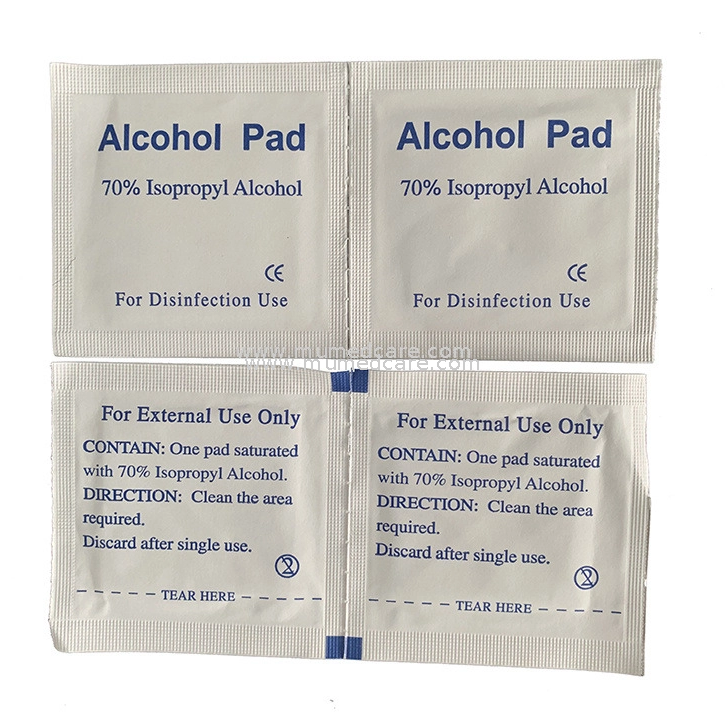
Choose individually foil-wrapped antiseptic wipes to prevent premature drying.
Maintain dedicated stock bins for sterile versus non-sterile gauze to avoid cross-contamination.
Advanced items include hydrocolloids, calcium alginates, foam dressings, and transparent films. You must evaluate these specific materials based on moisture-retention capabilities and breathability. Match them directly to specific healing stages.
For instance, dry necrotic tissue requires moisture donation, making hydrogels ideal. Conversely, highly exudating granulating wounds need moisture absorption. Calcium alginates excel here by turning exudate into a protective gel. Selecting the correct wound dressing products directly impacts the speed of epithelialization and overall patient recovery.
Life-threatening emergencies demand specialized gear. Essential items include hemostatic dressings, Israeli pressure wraps, and professional-grade windlass tourniquets. You must require evidence-based trauma effectiveness for this category.
Look for products recommended by the Committee on Tactical Combat Casualty Care (CoTCCC). Never substitute consumer-grade options in this category. Cheap elastic tourniquets or standard gauze cannot stop arterial bleeding. Relying on sub-par trauma gear carries severe liability and massive failure risks during acute crises.
You need a reliable decision matrix to shortlist advanced options effectively. Let us explore how to match technical features to actual clinical outcomes.
Assess technical absorbency ratings against your actual clinic caseloads. Highly absorbent foam dressings handle heavy fluid efficiently. They actively reduce the frequency of required dressing changes. This simple feature frees up your nursing staff for other vital patient care duties.
Additionally, review the Moisture Vapor Transmission Rate (MVTR) of transparent films. High MVTR prevents maceration around IV sites or minor surgical incisions. This keeps the surrounding periwound skin intact and healthy.
Evaluate adhesive types carefully during the procurement process. Choose silicone-bordered options over traditional acrylic adhesives whenever possible. Silicone mitigates Medical Adhesive-Related Skin Injury (MARSI).
MARSI remains a critical issue when treating geriatric or pediatric patients. Their fragile epidermis tears easily under strong acrylic glues. An improperly chosen medical dressing can cause secondary injuries worse than the original wound. Gentle silicone removal ensures high patient comfort and encourages better adherence to treatment plans.
Advanced options carry a higher initial unit cost than traditional dry gauze. This transparent assumption often deters budget-conscious managers. However, smart procurement teams measure the comprehensive cost per treatment cycle.
Factor in reduced nursing labor, faster healing timelines, and lower infection rates. A ten-dollar foam pad that stays intact for three days costs significantly less than changing a one-dollar gauze pad ten times over the same period. Evidence-based purchasing always looks beyond the initial invoice price.
Moving beyond basic consumer readiness to professional facility standards protects your staff and patients alike. A proper clinic first aid kit requires rigid regulatory compliance and intelligent physical organization.
Ensure your base stock perfectly aligns with relevant occupational safety standards. Follow ANSI/ISEA Z308.1 guidelines for workplace safety. You must also meet specific OSHA requirements for medical facilities.
Class A kits suit common, low-risk environments. However, most busy clinics require Class B kits to handle broader, more complex injuries. Ensure you include mandatory items like CPR barriers, burn dressings, and commercial cold packs. Failing to meet these baselines invites regulatory fines and compromises basic safety.
Group your emergency supplies by incident type rather than product type. Create a dedicated burn module containing hydrogel dressings and non-adherent wraps. Build an acute laceration module packed with butterfly closures and sterile saline. Stock a biohazard response module featuring PPE and spill absorbents.
High-stress medical events naturally cause panic. Hunting through a disorganized plastic bin delays critical interventions. Modularity ensures rapid deployment when seconds count. Staff can grab one specific color-coded pouch and rush to the patient immediately.
Common Mistakes in Emergency Prep:
Storing emergency kits in locked cabinets where keys often go missing.
Failing to replace individual items immediately after a crisis event.
Mixing expired oral medications in the same compartment as trauma supplies.
Managing clinical stock involves real operational challenges. You must navigate strict expiration dates, complex vendor choices, and ingrained staff habits safely.
Over-ordering specialized biologics creates a massive budget bleed. Short shelf lives guarantee wasted money if actual clinic usage lags behind your projections.
Implement a strict Par Level inventory tracking system to combat this. Buy standard adhesive strips and saline in high-volume bulk. Conversely, purchase specialized enzymatic debriders or hydrogels strictly based on historical 90-day usage data. This First-In, First-Out (FIFO) method dramatically cuts down on expired inventory waste.
Evaluate your vendor strategy carefully. Does a single broad-line distributor offer the necessary quality for advanced trauma care? Sometimes they prioritize cheap consumer brands over clinical efficacy.
Splitting contracts often yields better clinical reliability. You might source paper towels and exam gloves from a general supplier. Then, you partner with a specialized medical distributor for advanced biologics and hemostatic agents. This hybrid approach guarantees top-tier quality where it truly matters.
Introducing a complex new product requires mandatory staff inservicing. Unfamiliarity inevitably leads to improper application.
For example, a nurse might apply a sophisticated silver alginate upside down. This instantly negates the antimicrobial benefits and wastes expensive inventory. You must schedule vendor-led training sessions before rolling out new materials. Proper education ensures your investment translates into actual clinical success.
Here is exactly how you move from basic evaluation to confident purchasing. Following a structured process prevents chaotic transitions and staff pushback.
Transitioning your supply chain requires methodical execution. Follow these core steps to guarantee a smooth operational upgrade:
Conduct a comprehensive usage audit: Analyze procurement data to spot waste trends.
Select trial items carefully: Pick just two alternative brands for high-volume items.
Run a focused clinical pilot: Gather real-world feedback from your lead nurses.
Finalize the procurement matrix: Lock in vendors based on pilot success metrics.
Train staff on new protocols: Ensure everyone knows exactly how to apply new materials.
Review your past six months of supply chain data. Identify high-waste items by comparing purchasing records against actual patient charts. Spot frequent stockouts that routinely frustrate your nursing team. A thorough audit reveals the hidden inefficiencies draining your monthly budget.
The following matrix illustrates how clinics typically categorize and audit their supplies to maintain peak operational readiness:
Item Category | Procurement Strategy | Audit Frequency | Primary Risk Factor |
|---|---|---|---|
Basic Site Prep | High-volume bulk ordering | Monthly | Frequent stockouts delaying care |
Advanced Biologics | Strict 90-day historical usage | Bi-Weekly | Short shelf-life expiration |
Trauma Control | Specialized clinical vendors | Quarterly | Sub-standard compliance failures |
Test new products in a single busy department first. Provide your nurses with short evaluation forms. Ask them to rate adhesive strength, ease of application, and patient comfort. Verify clinical efficacy entirely before executing a disruptive clinic-wide switch.
Engage with a dedicated medical supply specialist today. Align your specific procedural volume with a customized procurement framework. They can help you map out exact Par levels based on your unique patient demographics.
Securing reliable materials fundamentally transforms your daily clinic operations. Proper procurement is never just an annoying overhead cost. It acts as a direct investment in operational efficiency, patient comfort, and crucial risk mitigation.
To summarize your immediate action plan:
Shift your purchasing focus from cheap unit prices to the broader cost per treatment cycle.
Reorganize your emergency kits into modular, incident-specific pouches for rapid crisis deployment.
Audit your stockrooms today using the First-In, First-Out method to eliminate expiration waste.
Always run a clinical pilot to secure nursing staff buy-in before changing core vendors.
Do not let substandard materials slow down your medical professionals. Request a comprehensive sample pack, view our detailed B2B catalog, or schedule a professional inventory compliance review with our team today.
A: Clinic-grade kits handle much higher supply volumes and strict professional environments. They require verified sterile barriers and explicitly exclude standard OTC oral medications. Crucially, professional kits include advanced trauma gear like windlass tourniquets, hemostatic gauze, and burn modules. Consumer kits typically only contain enough basic strips to handle minor household scrapes.
A: Clinics should perform deep quarterly audits specifically checking for upcoming expiration dates. You must also conduct monthly physical reviews to monitor baseline stock levels. This routine prevents budget waste from expired goods and ensures you never run out of critical daily materials during busy shifts.
A: Bordered foam dressings and sterile non-adherent pads remain the most versatile options. Bordered foams manage moderate fluid beautifully and feature gentle silicone adhesives. Non-adherent pads reliably protect delicate healing tissue. They lift away cleanly without sticking to the fragile wound bed during required dressing changes.
A: Yes, they absolutely do. While advanced options cost more upfront than standard dry gauze, they require drastically fewer changes. This massive reduction in nursing labor time, combined with lowered infection complication risks, directly drives down your comprehensive treatment expenses.


