- Menu
-
- English


Views: 0 Author: Site Editor Publish Time: 2026-08-26 Origin: Site


Substandard clinical equipment introduces compounding operational burdens and severe clinical risks. Frequent replacement cycles drain facility resources, while degraded materials directly compromise patient safety and elevate cross-contamination risks. Clinical administrators and procurement teams face a complex market. They must navigate fragmented supply chains, balance strict compliance standards, and meet the daily ergonomic demands of frontline staff across acute hospitals, long-term care facilities, and home health agencies.
Establishing a systematic, evidence-based procurement framework is essential. Facilities need a standardized approach to conduct needs assessments, vet vendor reliability, verify regulatory compliance, and select durable, high-efficacy equipment. This methodology ensures that every tier of clinical care is equipped with reliable tools that enhance workflow efficiency and patient outcomes.
Compliance is Non-Negotiable: Prioritize products and vendors that provide transparent documentation of FDA approval, ISO certifications, and recognized clinical standards.
Total Cost of Ownership (TCO) Outweighs Upfront Price: Evaluating the lifecycle durability, brand reputation, and warranty terms of equipment prevents the hidden costs associated with cheap, easily degradable alternatives.
Vendor Vetting Mitigates Supply Chain Risk: Partnering with accredited distributors ensures consistent inventory access, reducing the risk of critical backorders during localized or global shortages.
Clinical Feedback Drives Adoption: Integrating end-user (nurse) feedback into the procurement process ensures that selected tools meet practical ergonomic, workflow, and personal safety requirements.
Clinical procurement must meet strict baseline success criteria. Equipment must perform reliably under high-stress, fast-paced conditions without introducing cross-contamination risks or workflow friction. Evaluating these tools requires a structured approach that prioritizes patient safety and operational continuity. We evaluate items based on their ability to withstand daily abuse on the floor. If a tool fails during a code, it compromises the entire resuscitation effort. Therefore, every item brought into the facility must pass rigorous functional testing.
Organizing procurement lists by criticality ensures that life-saving intervention tools are secured before secondary comfort items. Facilities must audit their current inventory to identify high-turnover items and critical shortage vulnerabilities. Tailoring these lists to specific care environments is necessary. An intensive care unit requires high-acuity respiratory and hemodynamic monitoring tools. In contrast, nursing homes and home care settings prioritize long-term mobility aids, wound care management, and durable daily living assistance devices.
Audit current inventory levels across all storage rooms and crash carts.
Identify items with the highest failure rates or frequent replacement requests.
Categorize supplies into life-saving, diagnostic, and comfort tiers.
Allocate procurement focus based on the specific acuity level of the ward.
When you manage inventory for a multi-wing hospital, you cannot treat every department the same. The emergency department burns through trauma shears and rapid infusers. The pediatric wing needs specialized, smaller-gauge IV catheters. You must build your procurement strategy around the actual daily consumption rates of each specific unit.
Verifying regulatory compliance prevents unverified devices from reaching the patient bedside. Procurement teams must confirm FDA clearance appropriate to the device classification. Class I devices require general controls, while Class II and III devices demand stringent premarket notifications or approvals. For facilities utilizing international supply chains, verifying the CE mark ensures adherence to European health and safety standards. Furthermore, prioritizing manufacturers with ISO 13485 certification guarantees that the medical device quality management system meets rigorous global benchmarks.
We do not accept verbal assurances from sales reps. You must pull the FDA registration numbers and verify them directly in the federal database. If a manufacturer cannot produce an updated ISO 13485 certificate, you drop them from the vendor list. This strict adherence to documentation protects the facility from liability and ensures that the tools you hand to your nurses are safe for patient contact.
Material integrity directly impacts sterilization efficacy and clinical safety. High-grade materials, such as medical-grade stainless steel and hypoallergenic silicones, withstand repeated chemical disinfection and autoclave cycles without degrading. Lower-tier alternatives often suffer from micro-abrasions or structural weakening, creating reservoirs for pathogens. Investing in superior material quality extends the functional lifecycle of the equipment, reducing the frequency of emergency replacements and maintaining strict infection control standards.
Consider the difference between 304 and 316L stainless steel in surgical instruments. The 316L variant contains molybdenum, which drastically increases resistance to the harsh chlorides used in hospital-grade disinfectants. When you buy cheaper alloys, they pit and rust after a few months of autoclaving. Those microscopic pits harbor bacteria. You must specify exact material grades in your procurement contracts to avoid receiving inferior substitutions.
Equipment design significantly influences nurse fatigue and daily workflow efficiency. Ergonomic investments reduce physical strain during long shifts. Selecting trusted brands with proven clinical reviews ensures peer-validated efficacy. Before committing to bulk institutional purchases, facilities should conduct pilot testing. Trial periods allow nursing staff to evaluate the tactile feedback, usability, and practical integration of new tools into their existing routines.
Distribute sample units to the most experienced charge nurses for a two-week trial.
Collect structured feedback on weight, grip, and ease of cleaning.
Evaluate the physical footprint of the device on standard medication carts.
Review historical warranty claim data for the specific brand and model.
A stethoscope that is too heavy causes neck strain over a twelve-hour shift. Shears with poor grip angles cause hand fatigue when cutting through thick trauma dressings. You must listen to the floor staff. If they hate using a specific tool, they will find workarounds, which often violate standard operating procedures. Buy the equipment that supports their physical well-being.
Breaking down the procurement landscape into distinct functional categories allows teams to tailor evaluation metrics based on clinical application and inherent risk profiles. Different categories require specific performance indicators and compliance checks. You cannot evaluate a digital thermometer using the same criteria you use for a trauma dressing.
High-turnover items demand rigorous quality checks to prevent daily workflow disruptions. Gloves must offer high tensile strength and tactile sensitivity, while wound care products require proven hypoallergenic adhesives. Essential personal tools, including stethoscopes, penlights, and hemostats, must deliver consistent diagnostic accuracy. Procurement must also address workflow and hygiene essentials. HIPAA-compliant clipboards, medical watches with sweep seconds, and retractable pens maintain operational efficiency. Providing medical-grade hand moisturizers is necessary to maintain staff skin integrity amidst frequent handwashing protocols. Balancing standardized institutional purchases with allowances for personalized nursing supplies boosts overall staff satisfaction and compliance.
When sourcing nitrile gloves, you must check the acceptable quality level (AQL) for pinholes. An AQL of 1.5 is standard for medical use. Anything higher is unacceptable for handling bodily fluids. For wound care, the adhesive must hold fast in high-moisture environments but release without causing skin tears on elderly patients. These minor details dictate the success of daily patient care.
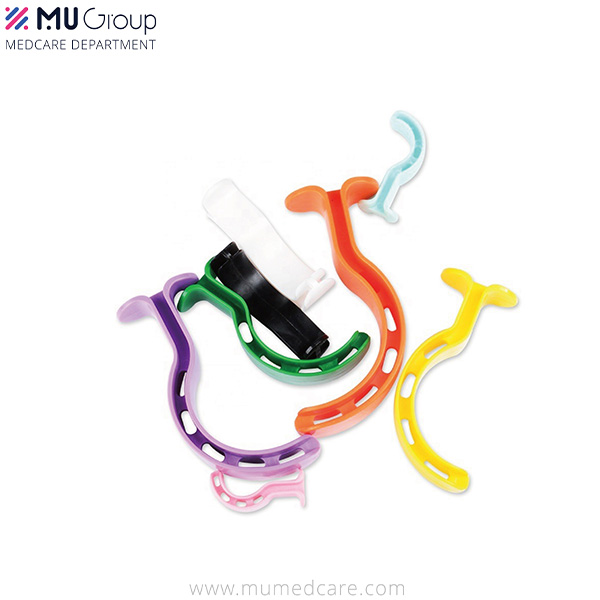
Critical intervention tools require exact technical specifications to ensure immediate efficacy during emergencies. Structural integrity is paramount for maintaining open airways in unconscious patients. Evaluating a berman type oropharyngeal airway involves checking its bite-block efficacy and smooth airway channel design, which prevents tongue occlusion without causing tissue trauma.
For advanced airway management, analyzing the anatomical fit and insertion speed is critical. Utilizing a disposable preformed silicone laryngeal mask airway offers significant clinical advantages. The preformed silicone adapts rapidly to the patient's anatomy, ensuring a secure seal. Furthermore, the disposable nature completely eliminates cross-infection risks and bypasses the intensive sterilization protocols required for reusable variants.
During a code blue, the team does not have time to fight with rigid, poorly molded plastics. The airway device must slide into place smoothly and hold its shape against a clenching jaw. We specify silicone over PVC for laryngeal masks because silicone remains pliable at room temperature and conforms better to the hypopharynx, reducing the risk of micro-aspiration.
Electronic diagnostic tools form the backbone of patient assessment. Pulse oximeters, digital sphygmomanometers, and temporal thermometers must be evaluated for calibration stability and sensor accuracy. Battery life under continuous clinical use is a critical operational metric. Additionally, modern procurement must prioritize devices with seamless integration capabilities into existing Electronic Health Records (EHR) to automate data capture and reduce manual transcription errors.
Diagnostic Equipment Evaluation Metrics | ||
Equipment Type | Primary Metric | Secondary Metric |
|---|---|---|
Pulse Oximeters | Sensor accuracy in low perfusion | Drop resistance (durability) |
Sphygmomanometers | Calibration stability over 10,000 cycles | Cuff material cleanability |
Temporal Thermometers | Response time under 3 seconds | Battery life per charge cycle |
Digital Scales | Load cell accuracy | EHR wireless integration |
We test drop resistance by literally knocking the monitors off a standard IV pole. If the screen cracks or the calibration drifts after a three-foot fall, we do not buy it. Hospitals are chaotic environments. Your diagnostic gear must survive impacts, fluid spills, and constant aggressive wiping with bleach-based disinfectants.
Shifting focus from individual products to supplier infrastructure is necessary for long-term operational stability. Auditing a vendor's operational maturity and reliability prevents critical shortages. You are not just buying a product; you are buying the logistical network that delivers it.
Legitimate distributors must hold specific state and federal licenses to operate within the healthcare sector. Procurement teams should verify Verified-Accredited Wholesale Distributors (VAWD) certification where applicable. Checking a vendor's history for FDA warning letters, regulatory infractions, or frequent product recalls provides insight into their quality control consistency.
We run background checks on the distribution centers. If a vendor has a history of storing temperature-sensitive items in unconditioned warehouses, they are disqualified. You must request their standard operating procedures for handling recalled lots. If they cannot produce a documented recall workflow within 24 hours, they lack the operational maturity required for clinical supply.
Vendors must demonstrate robust capabilities in real-time inventory tracking and proactive demand forecasting. Facilities require transparent communication regarding stock levels and anticipated lead times. Establishing secondary supplier contingencies for critical items is a mandatory risk mitigation strategy to prevent care disruptions during localized or global supply chain bottlenecks.
Require vendors to provide API access to their live inventory levels.
Establish automatic reorder triggers for critical consumables.
Maintain active accounts with at least two backup distributors.
Audit the primary vendor's fill rate percentage quarterly.
A 95% fill rate sounds good until the missing 5% consists of your primary IV fluids. You must demand line-item fill rate reports. If a vendor consistently backorders specific categories, you shift that category to your secondary supplier immediately. Never allow a single point of failure in your supply chain.
Durable equipment must be backed by acceptable baseline warranty terms that cover manufacturing defects and premature failures. Assessing a vendor's responsiveness for Return Merchandise Authorization (RMA) processes is vital. Complex diagnostic devices require accessible technical support and rapid replacement protocols to minimize clinical downtime.
When comparing contracts, look at the RMA turnaround time. If a vendor takes six weeks to repair a vital signs monitor, that monitor is useless to you. We demand advanced replacement clauses. If a unit fails, the vendor ships a replacement overnight, and we send the broken unit back in their box. This keeps the floor fully equipped at all times.
Procurement strategies are dictated by conceptual trade-offs between immediate availability, storage capacity, and long-term utility. Analyzing these factors ensures optimal resource allocation. You must balance the physical space in your supply rooms against the risk of running out of stock.
Volume discounts from bulk ordering must be weighed against the physical storage requirements and expiration risks of holding excess inventory. Just-in-Time (JIT) inventory models are highly efficient when supply chains are stable and predictable. However, strategic stockpiling remains necessary for high-risk, high-turnover consumables where sudden demand spikes could compromise patient care.
We use JIT for bulky items like isolation gowns and underpads because they consume too much warehouse space. However, we stockpile specialized airway tubes and specific IV antibiotics. You must calculate the square footage cost of your storage rooms. Sometimes, paying a slightly higher unit price for weekly deliveries is more efficient than renting off-site storage for bulk pallets.
The decision between single-use and reusable items heavily impacts infection control protocols and facility workflows. Reusable devices require dedicated autoclave maintenance, intensive sterilization labor, and meticulous tracking systems. Single-use disposables eliminate these labor burdens and provide absolute certainty against cross-contamination. Evaluating the lifecycle durability of reusable medical supplies against the recurring volume demands of disposables is essential for optimizing clinical efficiency.
Single-Use vs. Reusable Equipment Evaluation | ||
Evaluation Criteria | Single-Use Disposables | Reusable Equipment |
|---|---|---|
Infection Control | Zero cross-contamination risk; guaranteed sterility per unit. | Requires strict adherence to sterilization protocols. |
Labor Impact | Minimal; immediate disposal after use. | High; requires cleaning, autoclaving, and tracking. |
Storage Requirements | High volume storage needed for continuous supply. | Lower volume storage; requires dedicated sterilization areas. |
Environmental Impact | Higher clinical waste generation. | Lower waste, but requires water and chemical usage. |
Central sterile processing departments are often bottlenecks in busy hospitals. If you rely entirely on reusable instruments, a breakdown in the autoclave shuts down your operating rooms. Shifting high-volume, low-complexity items to single-use disposables relieves pressure on the sterilization team and guarantees that the floor staff always has clean tools ready to go.
Successful procurement extends beyond the purchase order. Identifying post-purchase implementation risks ensures that new equipment is safely and effectively integrated into clinical practice. Buying the best tool is useless if the staff does not know how to use it properly.
The infiltration of gray-market or counterfeit items poses a severe threat to facility safety. These products often bypass quality controls and utilize substandard materials. Mitigation requires purchasing exclusively through authorized, accredited distributors. Facilities should routinely verify lot numbers and authenticity certificates directly with the original manufacturers.
We have seen counterfeit tourniquets snap under pressure and fake N95 masks fail fit tests. You must train your receiving dock staff to inspect packaging for inconsistencies. If the font looks wrong or the lot number barcode fails to scan into your inventory system, quarantine the shipment immediately and contact the manufacturer.
Transitioning to new brands of specialized equipment introduces the risk of user error. Updated airway management tools or unfamiliar digital monitors require specific operational knowledge. Facilities must mandate vendor-supplied in-service training sessions prior to clinical rollout. Providing clear, accessible cheat sheets at nursing stations reinforces proper usage and troubleshooting protocols.
Schedule mandatory hands-on training sessions during all three nursing shifts.
Require return demonstrations from staff to verify competency.
Laminate quick-reference guides and attach them directly to the equipment carts.
Designate a super-user on each floor to assist with troubleshooting.
Do not drop new equipment on the floor on a Friday afternoon. Plan your rollouts for Tuesday mornings when staffing levels are optimal and vendor representatives are on-site to handle immediate questions. If the staff feels unsupported during the transition, they will reject the new equipment entirely.
Siloed purchasing habits create friction when different wards utilize incompatible supplies. This lack of standardization complicates inventory management and staff float assignments. Establishing a centralized value analysis committee (VAC) enforces facility-wide standardization. The VAC evaluates new product requests against existing inventory, ensuring compatibility, safety, and uniform clinical protocols across all departments.
When a nurse floats from Med-Surg to the ICU, they should not have to learn a completely different IV pump interface. Standardization reduces cognitive load and prevents medication errors. The VAC must have the authority to veto rogue purchases made by individual department heads. Every item must serve the facility as a whole.
Conduct an immediate audit of current inventory to identify high-failure-rate items.
Request updated compliance documentation and ISO certifications from all existing vendors.
Establish a centralized committee to review and standardize future equipment purchases across all clinical departments.
Implement a mandatory pilot testing phase for any new specialized diagnostic or intervention tools.
A: You can verify FDA approval by searching the FDA Establishment Registration & Device Listing database online. Enter the manufacturer's name or the device's proprietary name to confirm its current registration status and specific device classification.
A: Clinical-grade supplies adhere to stricter calibration standards, utilize highly durable materials designed for repeated chemical sterilization, and undergo rigorous regulatory oversight. Consumer-grade items are typically designed for occasional home use and lack the durability required for high-volume clinical environments.
A: Replacement schedules depend on manufacturer specifications, daily usage volume, and observed calibration drift. Equipment should be replaced immediately if it fails routine calibration tests, shows visible material degradation, or no longer holds a reliable charge.
A: A reputable distributor should hold ISO 13485 certification for quality management systems. Additionally, they should possess Verified-Accredited Wholesale Distributors (VAWD) accreditation and maintain all required state-specific pharmacy board and medical distribution licenses.
A: Facilities can optimize expenses by standardizing SKUs across all departments to leverage volume purchasing. Negotiating multi-year contracts with reliable vendors and implementing strict inventory tracking systems also significantly reduces waste and redundant ordering.
A: Disposable airway devices are optimal in scenarios requiring immediate, guaranteed infection control. They are highly recommended for facilities with high patient turnover or those lacking rapid, high-capacity sterilization infrastructure to process reusable variants safely.


