- Menu
-
- English


Views: 0 Author: Site Editor Publish Time: 2026-07-30 Origin: Site


Comprehensive patient recovery demands a multidisciplinary approach. Both respiratory and physical disciplines play distinct roles in rehabilitation. Their ultimate goals overlap in restoring patient health and functional independence. However, their clinical methodologies, operational environments, and equipment requirements are fundamentally different. Healthcare administrators, clinic directors, and prospective practitioners face a significant challenge when allocating resources. Deciding whether to invest in advanced airway management systems or biomechanical rehabilitation tools requires a deep understanding of patient demographics and facility capabilities. Misaligning these resources leads to operational inefficiencies and compromised patient care. This technical evaluation covers the clinical scopes, operational environments, educational pathways, and specific equipment required to support each therapy effectively. By examining the distinct focus areas and implementation realities of each discipline, facility managers can make informed decisions regarding staffing, equipment procurement, and facility integration.
Distinct Clinical Focus: Respiratory therapy centers on acute airway management and cardiopulmonary function, whereas physical therapy focuses on biomechanical rehabilitation and gross motor mobility.
Equipment Dependency: Respiratory care relies heavily on specialized, compliance-regulated medical supplies for airway support, contrasting with the structural and resistance-based equipment used in physical therapy.
Care Environment: Respiratory therapists predominantly operate in acute, critical care, and emergency settings (with emerging roles in primary care); physical therapists frequently manage outpatient, long-term rehab, and chronic care environments.
Operational Procurement: Integrating respiratory services requires stringent supply chain management for consumables and resuscitation devices, impacting facility overhead and compliance.
Career & Staffing Dynamics: The two fields offer vastly different educational timelines, debt-to-income ratios, and daily scheduling structures (e.g., 12-hour acute shifts vs. standard clinic hours).
Patient outcomes are measured differently across these two disciplines. In cardiopulmonary care, success criteria revolve around physiological metrics. We look at oxygen saturation, arterial blood gas levels, and airway patency. Conversely, musculoskeletal care evaluates success through improvements in range of motion, strength, gait stability, and pain reduction. These differing metrics dictate the treatment protocols and monitoring strategies employed by each profession on the floor.
To clearly isolate the biomechanical focus of physical therapy, we must differentiate it from occupational therapy. Occupational therapy focuses on enabling independence in activities of daily living and fine motor skills. Physical therapy concentrates on gross motor function, structural rehabilitation, and movement biomechanics. This distinction highlights the specialized nature of physical therapy compared to the acute physiological management provided by cardiopulmonary specialists.
Despite their distinct scopes, these therapies frequently intersect in real-time patient care. Practitioners collaborate closely to ensure safe and effective rehabilitation. Cardiopulmonary specialists monitor the impact of physical exertion on lung function and oxygen demand during mobilization exercises. Respiratory stability is a strict prerequisite for physical rehabilitation. A patient cannot safely engage in resistance training or gait exercises if their airway is compromised or their oxygen levels are unstable. We see this daily in the ICU when coordinating early mobility protocols.
The interdisciplinary overlap requires clear communication. When a physical therapist initiates a standing protocol, the respiratory therapist must ensure the ventilator settings accommodate the increased metabolic demand. This teamwork prevents adverse events like sudden desaturation or respiratory muscle fatigue. Facility protocols must mandate joint rounding for complex patients to align these distinct but complementary clinical goals.
Clinical Metric | Cardiopulmonary Focus | Musculoskeletal Focus |
|---|---|---|
Primary Objective | Airway patency, oxygenation | Mobility, strength, pain relief |
Key Indicators | SpO2, ABG, tidal volume | Range of motion, gait speed |
Intervention Type | Ventilation, aerosol therapy | Therapeutic exercise, manual therapy |
Prerequisite for Rehab | Hemodynamic and respiratory stability | Basic cognitive compliance |
The primary responsibilities within this field involve critical interventions to maintain life support. Practitioners manage mechanical ventilators, administer inhaled medications, perform arterial blood gas analysis, and execute emergency airway clearance techniques. These tasks require rapid decision-making and precise execution to stabilize patients experiencing severe respiratory distress. You have to know exactly how to adjust PEEP and FiO2 based on real-time blood gas results.
These interventions are heavily utilized in high-stakes acute care environments. Intensive Care Units and Emergency Rooms demand constant vigilance. Practitioners must respond instantly to life-threatening situations. There is also a growing adaptation of these roles into primary care settings. Chronic management of diseases like COPD and asthma focuses on patient education and long-term symptom control. This shift aims to reduce hospital readmissions through proactive outpatient care.
A defining characteristic of this role is hospital-wide mobility. Practitioners frequently move between various departments. They respond to rapid response calls, code blues, and acute respiratory distress situations wherever they occur. This requires a high degree of adaptability and a comprehensive understanding of diverse clinical environments. You might be weaning a patient in the ICU one minute and running to the ER for a trauma intubation the next.
Effective cardiopulmonary management relies heavily on specialized medical supplies for medication delivery and oxygenation. The operational need for items like a high-quality nebulizer mask is absolute for ensuring precise dosage and effective aerosol therapy. These consumables must meet stringent regulatory standards to guarantee patient safety and treatment efficacy. Poorly fitted masks lead to medication waste and suboptimal patient outcomes.
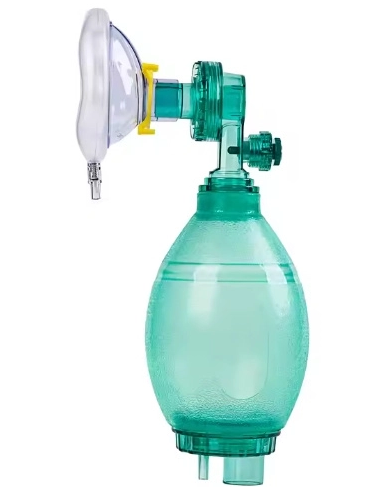
Resuscitation and emergency ventilation demand highly reliable manual ventilation equipment. The technical requirements for these devices include precise tidal volume delivery, pressure relief mechanisms, and durable construction. Facilities must carefully evaluate their procurement options. You need tools that will not fail during critical interventions. A standard Medical Manual Resuscitator handles general use, but specialized materials offer distinct advantages in harsh environments.
For example, a SEBS Manual Resuscitator provides enhanced durability and performance characteristics. High-volume clinical settings must conduct a thorough cost-benefit analysis regarding sterilization compliance. Opting for a Reusable Manual Resuscitator requires robust sterilization protocols and infrastructure. This impacts operational overhead but offers long-term supply chain stability compared to single-use alternatives.
Assess patient volume to determine consumable burn rates.
Evaluate central sterile processing capacity for reusable devices.
Standardize equipment across departments to simplify training.
Maintain a minimum 30-day safety stock of critical airway supplies.
This discipline focuses on diagnosing and treating movement dysfunctions. Practitioners facilitate post-surgical rehabilitation and manage chronic pain. Interventions restore structural integrity, improve biomechanical alignment, and enhance overall physical function. Treatment plans are highly individualized. They target specific musculoskeletal deficits to optimize patient mobility and quality of life. You are rebuilding the mechanical foundation of the patient.
The clinical approach involves a shift from acute intervention to long-term progressive independence. Practitioners emphasize patient education, home exercise programs, and preventative strategies. The goal is to empower patients to manage their conditions independently. This prevents future injuries or functional decline. Outpatient clinics handle the bulk of this chronic care management, focusing on steady, measurable progress over weeks or months.
In the acute setting, physical therapists focus on early mobilization. Getting a patient out of bed soon after surgery prevents complications like deep vein thrombosis and muscle atrophy. This requires careful coordination with nursing and cardiopulmonary staff to manage lines, tubes, and monitoring equipment during movement.
The standard equipment profile for these clinics includes structural and resistance-based tools. Common items include resistance bands, gait training stairs, balance boards, and electrical stimulation units. This equipment facilitates targeted exercises, improves proprioception, and supports progressive overload during rehabilitation. The footprint for this equipment requires significant dedicated floor space.
The durability and procurement lifecycle of this equipment contrast sharply with consumable-heavy cardiopulmonary supplies. Structural rehabilitation tools have a longer lifespan and require less frequent replacement. They represent a significant initial capital investment. Maintenance focuses on structural integrity and safety rather than stringent sterilization protocols. You inspect cables and pulleys rather than running biological indicators in an autoclave.
Equipment Category | Physical Therapy | Respiratory Care |
|---|---|---|
Primary Type | Durable structural equipment | Consumables and precision devices |
Lifespan | 5-10 years | Single-use or limited reuse |
Maintenance Focus | Mechanical safety inspections | Sterilization and calibration |
Space Requirement | Large open gym areas | Bedside deployment, compact storage |
Mapping specific interventions to targeted patient outcomes clarifies the distinct impact of each therapy. Cardiopulmonary interventions, such as aggressive bronchial hygiene and ventilator weaning protocols, directly prevent complications like ventilator-associated pneumonia. They reduce ICU length of stay. Biomechanical interventions, such as early mobilization and targeted strengthening, prevent muscle atrophy. They improve functional mobility and reduce the risk of falls.
Facility managers must track these outcomes to justify department expansions. A robust cardiopulmonary department lowers mortality rates in severe respiratory failure cases. A well-equipped physical therapy department reduces readmissions related to mobility deficits. Both contribute to overall hospital quality metrics, but they target entirely different physiological systems.
Both fields operate under strict regulatory and compliance frameworks. Expanding a cardiopulmonary department requires complex infrastructure. You need piped oxygen systems, specialized ventilation equipment, and rigorous sterilization protocols for reusable devices. Expanding a musculoskeletal rehabilitation gym primarily requires adequate square footage, structural equipment installation, and comprehensive liability insurance. The facility requirements are night and day.
Compliance in cardiopulmonary care involves strict adherence to infection control standards. Every piece of equipment that touches the airway must be meticulously tracked and sterilized. Physical therapy compliance focuses more on patient safety during movement, equipment weight limits, and proper documentation of functional progress. Facility audits reflect these different risk profiles.
The educational pathways vary considerably between the two professions. Entering the cardiopulmonary field often requires an Associate's or Bachelor's degree. This results in less schooling and lower student debt. Musculoskeletal rehabilitation typically requires a Doctorate. This involves a longer educational timeline and higher financial investment. Alternative pathways, such as Physical Therapist Assistant programs, offer faster entry into musculoskeletal care.
Work schedules significantly impact staff retention. Cardiopulmonary specialists often work three 12-hour shifts in a dynamic, high-stress hospital environment. This can lead to burnout but offers more days off. Musculoskeletal practitioners typically work standard business hours in outpatient clinics. This provides a more predictable schedule but less flexibility. Managing these different staffing models requires tailored HR strategies.
Supply chain vulnerabilities present significant procurement risks in cardiopulmonary care. Shortages of single-use plastics or specific consumables disrupt critical interventions. Mitigation strategies include diversifying suppliers and transitioning to reusable devices where clinically appropriate. You must ensure your central sterile processing department can handle the increased load if you switch to reusables.
Strict licensure boundaries prevent cross-training between these disciplines. Musculoskeletal practitioners cannot legally perform advanced cardiopulmonary interventions. They cannot manage mechanical ventilators or perform intubations. Cardiopulmonary specialists cannot prescribe biomechanical rehabilitation exercises. Facilities must ensure clear delineation of duties to maintain compliance and patient safety. You cannot simply swap staff when one department is short.
Integrating respiratory therapy requires a deep understanding of these operational trade-offs. You are committing to a high-acuity, supply-intensive service line. Physical therapy offers a more predictable, lower-acuity operational model, but requires significant upfront space and capital investment. Facility leaders must weigh these factors against their specific patient population needs.
Audit current clinical workflows to identify gaps in acute airway management or mobility rehabilitation.
Review existing procurement contracts to ensure reliable access to essential consumables and durable medical equipment.
Consult with department heads to align staffing models with anticipated patient acuity levels and facility expansion plans.
Evaluate the compliance requirements of transitioning to reusable ventilation devices in high-volume settings.
A: The main difference lies in their clinical focus. One centers on acute airway management, oxygenation, and cardiopulmonary function. The other focuses on biomechanical rehabilitation, gross motor mobility, and structural restoration.
A: Cardiopulmonary specialists typically require an Associate's or Bachelor's degree, resulting in less schooling and lower debt. Musculoskeletal practitioners generally require a Doctorate, involving a longer educational timeline and higher financial investment.
A: No. Strict licensure boundaries prevent musculoskeletal practitioners from performing advanced cardiopulmonary interventions, such as managing mechanical ventilators or performing emergency intubations.
A: They frequently use consumables and delivery systems such as nebulizer masks, oxygen tubing, arterial blood gas kits, and manual resuscitation devices to manage airway patency and oxygenation.
A: Musculoskeletal departments require significant initial capital for durable structural equipment. Cardiopulmonary departments face ongoing operational costs for specialized consumables, compliance-regulated devices, and complex infrastructure like piped oxygen.
A: A facility chooses specialized materials when enhanced durability, specific performance characteristics under extreme conditions, or distinct material compliance requirements are necessary for their specific clinical environment.
A: Cardiopulmonary specialists have a significantly higher presence in acute, critical care, and emergency settings due to their role in life-saving airway management and ventilator support.


