- Menu
-
- English


Views: 0 Author: Site Editor Publish Time: 2026-05-01 Origin: Site


Waking up with red marks, air leaking into your eyes, or a tangled hose rarely feels like restful sleep. In fact, mask discomfort remains the primary reason patients abandon their sleep apnea therapy altogether. The frustrating reality is you cannot simply buy the universal "best" option off a shelf. Comfort operates as a highly subjective metric. It depends heavily on your unique facial anatomy, preferred sleep position, and specific prescribed air pressure settings. What feels minimalist and invisible to one person might feel incredibly intrusive to someone else. This guide provides an evidence-based evaluation framework to help you diagnose your current discomfort accurately. You will learn how to identify the exact features your physiological needs demand. Ultimately, we will help you shortcut the tedious trial-and-error process and confidently shortlist your ideal setup for long-term therapy success.
Mask comfort is directly tied to your primary breathing habit (mouth vs. nose) and preferred sleep position.
The three main mask categories—Nasal Pillow, Nasal, and Full Face—each solve specific structural and sensory challenges.
Proper sizing and tensioning mitigate 90% of comfort issues; tighter headgear often worsens leaks and causes skin breakdown.
Leading brands design standardized connections, meaning you can mix and match any mask with your existing machine.
Patients often search for the highest-rated product online, hoping to find an instant cure for poor sleep. Marketing campaigns frequently promise a universal, cloud-like experience. However, clinical realities paint a different picture. Comfort is entirely subjective. A low-profile design might feel liberating to a stomach sleeper. Yet, an older patient might find it difficult to assemble in the dark. You must evaluate comfort based on your personal needs, not just user reviews.
Engineering always intersects with human anatomy. Every human face features unique contours, bridge widths, and cheekbone structures. A reputable CPAP Mask manufacturer knows this. They design cushions using advanced materials like dual-wall silicone or adaptive memory foam. These materials conform to specific bone structures. They do not attempt to fit a universal, generic face. If a cushion shape directly conflicts with your facial geometry, no amount of adjustment will make it comfortable.
To evaluate your setup, you need a reliable baseline. We define the trifecta of a comfortable fit using three success criteria:
A reliable seal: Air must not leak into your eyes or loudly escape from the sides.
Minimal pressure points: You should wake up without painful red sores or deep indentations on your skin.
Breathing naturalness: The airflow should feel supportive, minimizing feelings of suffocation or claustrophobia.
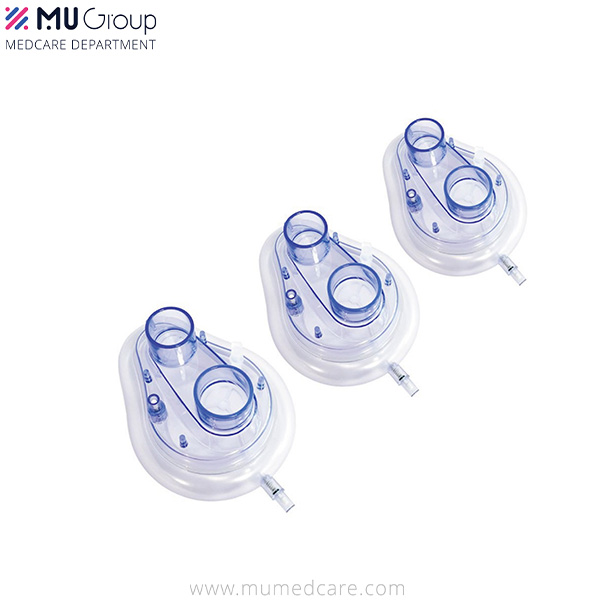
Understanding structural differences helps you diagnose current fit issues. Let us explore the three primary categories available on the market today.
These devices use soft silicone inserts resting just inside the nostrils. They represent the most minimalist approach to sleep therapy.
Best for: Active sleepers who toss and turn. They work wonderfully for individuals with claustrophobia. They also accommodate thick facial hair easily.
Comfort trade-offs: They direct high-velocity airflow straight into the nasal passages. This can cause significant dryness or nosebleeds at higher pressure settings.
This traditional design covers the entire nose, resting on the nasal bridge and upper lip area. It offers a comfortable middle ground.
Best for: Natural nose breathers. They handle higher pressure settings much better than pillows. They also keep your mouth and eyes completely unobstructed.
Comfort trade-offs: The frame rests directly on the bridge of the nose. Incorrect sizing often causes painful irritation or pressure sores in this delicate area.
These models cover both the nose and mouth. They ensure therapy continues regardless of how you breathe during the night.
Best for: Chronic mouth breathers. They provide security for users with frequent seasonal allergies or nasal congestion. They handle very high-pressure prescriptions exceptionally well.
Comfort trade-offs: The larger footprint creates more surface area for potential leaks. If you sleep on your stomach or shift frequently, the frame easily bumps against the pillow.
Mask Category | Primary Benefit | Best Sleeping Position | Pressure Tolerance |
|---|---|---|---|
Nasal Pillow | Minimal skin contact, clear vision | Side, Stomach, Back | Low to Medium |
Nasal | Balanced airflow, natural feel | Side, Back | Medium to High |
Full Face | Allows mouth breathing | Back (mostly) | High |
Your ideal choice depends heavily on your subconscious habits. You cannot change how you move while sleeping. Therefore, your equipment must adapt to your natural behaviors.
Your dominant sleeping posture heavily dictates which frame style will work.
Side and Stomach Sleepers: You require low-profile designs. Look for frames featuring a top-of-head hose connection. This specific placement prevents the tube from dragging across your chest. It stops your arms from tangling in the hose and dislodging the cushion.
Back Sleepers: You enjoy much more flexibility. Back sleepers can generally tolerate traditional front-facing hose connections. Larger profile frames rarely pose an issue, as the pillow does not push against the plastic shell.
Pay attention to how you breathe when you wake up. Do you frequently experience a dry, parched throat? You might be dropping your jaw during sleep. If you naturally breathe through your nose, a standard nasal style works perfectly. However, if your mouth falls open, pressurized air escapes. You have two options here. You can add a supportive chin strap to a nasal model. Alternatively, you must default to a full-face option for reliable therapy.
Your doctor prescribes specific pressure settings based on your severity of apnea. High-pressure prescriptions usually fall above 12 to 15 cmH2O. Pushing high-velocity air through tiny nasal pillows often feels overwhelming. It can trigger central apneas or severe sinus pain. High-pressure prescriptions require more surface area to distribute the force comfortably. A robust full-face or broad nasal frame diffuses the air, making the therapy feel much gentler.
Even the most advanced CPAP Mask will fail if implemented incorrectly. You must respect the physical properties of the materials and prioritize precise sizing.
Many patients guess their size based on clothing size, body weight, or height. This strategy almost always fails. A tall person might possess a very narrow nasal bridge. A petite person might need a wider cushion base. Emphasize the absolute necessity of using printable sizing templates. Manufacturers provide these specific cut-outs online. Hold them against your face in front of a mirror before purchasing anything.
We often address one massive user error: the over-tightening myth. When patients hear a leak, their immediate reaction is to yank the headgear straps tighter. This action worsens the problem. Modern silicone cushions use air pressure to inflate like a tiny parachute. They hover softly against your facial contours to create a seal. Tightening the straps crushes this delicate membrane. It breaks the seal, creates massive leaks, and causes immense facial pain.
You must evaluate cushion materials based on your skin sensitivity.
Traditional Silicone: This remains the industry standard. It proves highly durable and remarkably easy to clean. However, it can cause sweating or minor red marks on sensitive skin.
Memory Foam: Some newer models incorporate plush memory foam perimeters. These feel incredibly soft and rarely leave facial marks. However, they trap moisture and require strict, frequent replacement schedules to prevent bacterial growth.
Set realistic expectations for your therapy journey. Your brain views this new device as a foreign object. It naturally triggers a defense mechanism, keeping you slightly awake. It typically takes 7 to 14 days for the brain to acclimate fully. During this period, you will notice the weight, the strap tension, and the airflow noise. Consistency is vital. Wear it while reading or watching television before bed to speed up this desensitization process.
Once you understand your habits and anatomy, you can begin narrowing down your options. Follow these actionable steps to find your fit.
Filter your options based on your biggest current complaint. What bothers you the most right now? If you experience agonizing bridge-of-nose soreness, switch immediately to nasal pillows or an under-the-nose full face model. If claustrophobia keeps you awake, eliminate all traditional full-face options. Focus entirely on low-profile frames that keep your line of sight completely clear.
Clinical trials in your own bed represent the only true test of comfort. We highly recommend purchasing from equipment providers that offer risk-free return policies. Many dedicated retailers provide a 30-day exchange window. You can wear the equipment for a few weeks. If it hurts, you send it back and try a different style without losing your initial investment.
Sometimes, DIY troubleshooting reaches its limits. You must know when to escalate fit issues. If you have tried three different styles and still experience massive leaks, seek professional help. Contact a registered respiratory therapist or a sleep specialist. They can provide custom fitting advice. They might also need to initiate a pressure recalibration on your machine. Sometimes, lowering the pressure slightly resolves persistent mask displacement.
Working closely with a knowledgeable CPAP Mask manufacturer representative or clinician ensures you do not navigate this frustrating process alone.
Finding success with sleep apnea therapy rarely happens on the first night. We must remember that the "most comfortable" mask is simply the one that aligns with your specific sleep posture and breathing style. Comfort depends on objective anatomical mapping, not flashy product packaging.
Keep these final takeaways in mind as you move forward:
Prioritize a proper, measured fit over brand hype. Precise sizing dictates comfort more than any specific feature.
Respect the physics of silicone seals. Let the air pressure do the work, and stop over-tightening your headgear straps.
Address your biggest discomfort dealbreaker first. Use that specific pain point to filter out incompatible frame styles.
Do not let a poor fit sabotage your long-term health. Take action today. Download a printable sizing template from a trusted manufacturer. Alternatively, consult a specialized provider's online fitting quiz to begin your shortlisting process immediately. Better sleep is well within your reach once you secure the right equipment.
A: Yes, absolutely. The sleep therapy industry uses a universal standardized connection system. Almost all machines use a standard 22mm hose fitting. This means you can comfortably mix and match any mask brand with any machine brand without requiring special adapters.
A: First, wash your face before bed to remove natural facial oils that degrade the silicone grip. Next, loosen your headgear straps to allow the cushion to inflate properly against your skin. Finally, check your cushion's lifespan; worn-out silicone loses its rigidity and causes persistent leaks.
A: Side sleepers benefit most from models featuring a top-of-head tube design and soft lateral frames. These designs prevent the hose from tangling around your neck. They also lack bulky front connections, preventing the mask from dislodging when your face presses into a pillow.
A: For optimal seal integrity, replace your silicone cushions every two to four weeks. If using memory foam, replace it monthly. Frame systems should be replaced every three months, while stretchy fabric headgear typically lasts around six months before losing its necessary elasticity.


