- Menu
-
- English


Views: 0 Author: Site Editor Publish Time: 2026-11-04 Origin: Site


Global demand for respiratory care consumables is accelerating rapidly. Broader mucus clearance and suction pump markets project double-digit growth over the next decade. This surge comes from an aging demographic and rising incidences of chronic respiratory disorders. It places unprecedented pressure on procurement margins. Importers and hospital supply chain directors face volatile cost structures, inconsistent quality control, and stringent regulatory hurdles when executing medical suction product sourcing at scale. Navigating this landscape requires a data-driven approach to supplier evaluation. You must understand the complete landed cost. Balance upfront unit expenses against compliance, supply chain reliability, and long-term market growth forecasts.
Pricing Volatility is Tied to Compliance: The base cost of a mucus extractor is heavily dictated by the sterilization method (Ethylene Oxide vs. Gamma) and the supplier’s regulatory certifications (ISO 13485, CE, FDA).
OEM vs. Off-the-Shelf Trade-offs: Investing in an OEM mucus extractor offers long-term brand equity and customization but requires higher minimum order quantities (MOQs) and extended initial lead times.
Hardware Growth Drives Consumable Demand: The rapid expansion of the mucus suction pump market directly correlates with increased volume requirements and potential bulk-pricing leverage for disposable extractors.
Hidden Costs Define Procurement Expenses: Freight, import tariffs, and third-party quality assurance audits often account for up to 30% of the landed cost, making raw unit price an unreliable metric for procurement success.
Strategic Bundling Reduces Margins: Consolidating orders with related consumables, such as a closed suction catheter for hospitals, significantly improves freight efficiency and supplier negotiation leverage.
Procurement teams must track macroeconomic trends, clinical drivers, and market forecasts to predict cost stability. Relying solely on historical purchasing data fails in a sector heavily influenced by global supply chain shifts. You need to anticipate demand spikes before they hit the factory floor.
The growing global geriatric population directly increases baseline demand for respiratory clearance devices. Older patients present a higher susceptibility to chronic obstructive pulmonary disease (COPD), pneumonia, and other severe respiratory conditions. This demographic shift creates a consistent, non-cyclical demand for a reliable Mucus Extractor. Healthcare facilities require constant replenishment of these single-use items to maintain strict infection control standards. Cross-contamination between vulnerable patients remains a primary liability for hospital networks.
Seasonal spikes in respiratory illnesses impact spot-market availability and supplier lead times. During peak respiratory virus seasons, factory lead times extend significantly. Global orders flood manufacturing hubs in Asia. Spot-market buyers face premium charges as manufacturers prioritize contracted volume orders. The decentralization of care from acute hospital settings to long-term care facilities and home health environments increases delivery points. This complicates the supply chain and requires robust packaging to withstand varied distribution channels.
Clinical Demand Factors and Supply Chain Impact | ||
Clinical Driver | Market Effect | Procurement Strategy |
|---|---|---|
Geriatric Population Growth | Consistent year-over-year volume increases | Lock in multi-year volume contracts |
Seasonal Viral Outbreaks | Sudden spot-market shortages and extended lead times | Build buffer stock prior to Q3/Q4 |
Homecare Expansion | Need for durable, individual blister packaging | Specify drop-test certified packaging standards |
The projected growth of the mucus suction pump market acts as a leading indicator for consumable extractor demand. Hardware adoption directly fuels the consumption rate of disposable accessories. Suction pumps require a closed loop to function effectively. The extractor acts as the critical collection vessel and patient interface. Hospitals and homecare providers invest heavily in portable, battery-operated, and stationary suction units. The corresponding need for compatible extractors scales proportionately.
Importers use these long-term growth projections to negotiate favorable multi-year volume contracts with manufacturers. Securing capacity blocks in advance protects against sudden raw material hikes. It ensures supply continuity during global shortages. Track pump sales data and technological advancements as a predictive metric for consumable reorder rates. This allows for highly accurate inventory forecasting and optimized capital allocation.
Medical-grade Polyvinyl Chloride (PVC) and Polyurethane are petroleum derivatives. Their baseline costs remain highly sensitive to global oil indices. The extrusion process for the catheter tube requires specific polymer grades to ensure smooth inner lumens. Smooth lumens prevent mucus buildup. Injection molding for the collection chamber demands high clarity for visual inspection of sputum. Substituting these materials for cheaper alternatives triggers extensive regulatory re-evaluations and risks clinical failure.
Rising global energy costs impact energy-intensive sterilization and cleanroom operations. Maintaining ISO-certified cleanrooms involves continuous HVAC operation, HEPA filtration, and strict environmental controls. You must prevent particulate contamination at all costs. Energy spikes directly inflate factory overhead. The industry shift toward DEHP-free and phthalate-free PVC introduces specialized polymers that carry a higher baseline cost than standard PVC formulations.
Comparing standard white-label purchasing against custom manufacturing agreements maximizes cost-effectiveness. You must align the procurement model with specific clinical requirements and distribution capabilities.
Speed to market, lower MOQs, and immediate availability define standard clinical applications. Standardized extractors utilize existing factory molds. This eliminates tooling costs and drastically reduces initial production timelines. Importers secure inventory rapidly to fill sudden supply chain gaps. You can respond to urgent hospital tenders or capitalize on short-term market shortages. This model works well for basic clinical environments where advanced features are unnecessary.
The lack of brand differentiation leaves importers vulnerable to direct competitor price-undercutting. Multiple distributors offer identical white-label products sourced from the same factories. Competition devolves into a race to the bottom on margins. This dynamic erodes long-term profitability. Customer retention becomes difficult. Healthcare networks easily pivot to a cheaper supplier offering the exact same generic product.
Custom tube lengths, specialized catheter tips, pediatric volume calibrations, and proprietary packaging create distinct market advantages. Developing an OEM mucus extractor allows importers to address specific clinical feedback. Features like frosted surface catheters for easier insertion elevate the product. Atraumatic tips with lateral eyes prevent tissue invagination. Color-coded connectors allow rapid French gauge identification.
Implementation requires rigorous intellectual property protection agreements. Expect longer tooling setup times and higher upfront capital expenditure. Developing new injection molds demands precise engineering, validation testing, and quality assurance protocols. Commit to larger production runs to amortize these initial investments over the product lifecycle. The resulting proprietary product fosters brand loyalty and protects procurement margins from generic market volatility.
Off-the-Shelf vs. OEM Sourcing Comparison | ||
Feature | Off-the-Shelf (White Label) | OEM Custom Manufacturing |
|---|---|---|
Time to Market | Immediate (2-4 weeks) | Extended (12-16 weeks for tooling) |
Minimum Order Quantity | Low | High |
Brand Differentiation | None | High (Proprietary features) |
Capital Expenditure | Low (Inventory only) | High (Molds, validation, IP) |
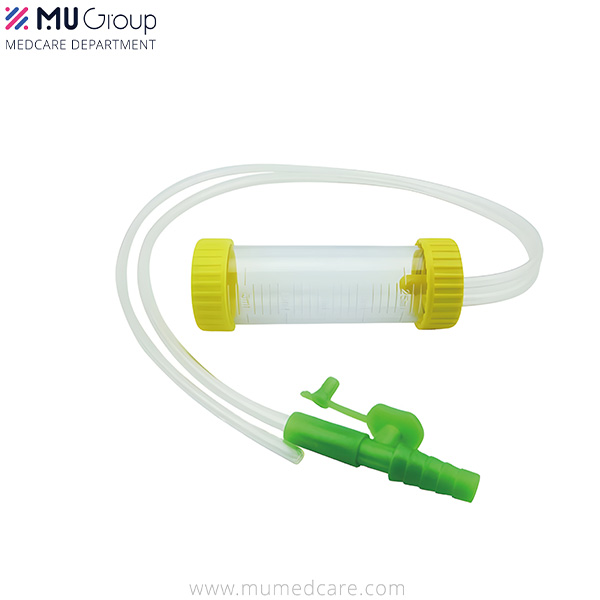
Moving beyond the factory-gate price requires a deep understanding of global logistics. You must evaluate regional manufacturing advantages and hidden supply chain fees to calculate the true landed cost.
Asian manufacturing hubs benefit from mature supply chains, localized raw material sourcing, and massive economies of scale. These regions offer highly competitive factory-gate pricing for high-volume disposable medical devices. They possess a dense concentration of polymer suppliers, mold makers, and sterilization facilities within close geographic proximity. This ecosystem minimizes domestic transit times between raw material processing and final assembly.
Near-shoring options provide shorter transit times and reduced geopolitical risk. Evaluate the trade-off between lower labor costs and higher logistical complexity. Near-shoring drastically reduces ocean freight duration and allows for leaner inventory models. However, the raw material ecosystem is often less integrated. Factories in near-shore regions frequently import medical-grade resins and packaging materials from overseas. This leads to higher baseline production costs that offset the freight savings.
Volumetric weight heavily impacts shipping costs for lightweight, bulky items like extractors. Medical disposables reach the maximum volume capacity of a shipping container long before hitting the weight limit. Freight forwarders charge based on dimensional weight. Packaging efficiency directly impacts the landed cost per unit. Optimize packaging configurations. Utilize compact blister packs instead of loose polybags to increase the unit count per container and reduce the per-item freight burden.
Factor in import duties, customs clearance fees, and the cost of mandatory third-party pre-shipment inspections. Engaging independent agencies for Acceptable Quality Limit (AQL) inspections adds upfront expenses. It remains a critical risk mitigation strategy. These audits prevent catastrophic losses associated with importing defective or non-compliant medical devices. Defective imports incur massive reverse logistics costs and potential regulatory fines.
Calculate dimensional weight for all master cartons before finalizing packaging design.
Identify applicable HS codes to determine exact import tariff rates.
Contract a certified third-party inspector (e.g., SGS, TÜV) for pre-shipment AQL checks.
Audit freight forwarder quotes for hidden terminal handling charges (THC).
Quality assurance and legal market access dictate pricing tiers. Compliance acts as an unavoidable factor in procurement strategy. Cutting corners on certification leads to seized shipments and revoked vendor licenses.
Suppliers with verified FDA 510(k) clearances or MDR-compliant CE marks charge a premium per unit. Achieving and maintaining these certifications requires dedicated quality assurance teams. Factories must produce rigorous clinical evaluation reports and conduct continuous post-market surveillance. The transition to the Medical Device Regulation (MDR) in Europe forced many marginal factories out of the market. Remaining certified manufacturers command higher prices due to decreased competition and increased compliance overhead.
Sourcing from uncertified facilities carries massive financial risks. Attempting to bypass these premiums invites severe consequences. Customs agencies seize unverified medical products at the port of entry. Hospitals reject non-compliant devices during intake audits. A cheaper uncertified product that fails port entry inspections results in a total loss of capital. It irreparably damages the importer's reputation with healthcare networks.
Ethylene Oxide (EO) sterilization is highly cost-effective for bulk medical plastics. It requires extensive degassing periods to ensure residual toxic gas levels fall below safe limits. This necessary quarantine time extends the overall production lead time. Manufacturers must hold massive amounts of inventory in specialized aeration chambers. You must account for this delay when planning inventory replenishment cycles.
Gamma irradiation offers immediate release post-sterilization and leaves no chemical residue. The process requires specialized cobalt-60 facilities, increasing the processing fee. Gamma radiation causes certain standard polymers to become brittle or discolored. You must use radiation-stabilized plastics, which carry a higher raw material cost. Verify sterilization certificates and bioburden testing documentation to ensure compliance with international pharmacopeia standards regardless of the chosen method.
Sterilization Method Comparison | |||
Method | Processing Speed | Material Compatibility | Residue Risk |
|---|---|---|---|
Ethylene Oxide (EO) | Slow (Requires degassing) | High (Compatible with standard PVC) | Yes (Requires strict monitoring) |
Gamma Irradiation | Fast (Immediate release) | Low (Requires stabilized polymers) | None |
Leveraging supplier capabilities to consolidate procurement captures broader market share. It improves overall margins and simplifies vendor management protocols.
Closed suction systems require strict ventilator compatibility and infection control efficacy. These advanced systems feature a protective sleeve that maintains sterility. The catheter can be used multiple times over an extended period without disconnecting the patient from the mechanical ventilator. This continuous connection drastically reduces the risk of hypoxia and ventilator-associated pneumonia (VAP) in critical care settings. Manufacturing these requires advanced extrusion techniques and precise valve assembly.
Bundling a closed suction catheter for hospitals with standard extractors secures volume discounts. It meets comprehensive hospital tender requirements. Healthcare facilities prefer to streamline their vendor lists. They favor suppliers capable of providing the entire spectrum of respiratory clearance devices. Offering both basic oral suctioning tools and complex intensive care unit interventions positions you as a primary vendor.
Sourcing a disposable sputum specimen cup from the same polymer extrusion and molding facilities increases cost-efficiency. These diagnostic containers require similar medical-grade plastics. They need leak-proof screw cap designs and cleanroom assembly environments. Sourcing these items together leverages the factory's existing injection molding capacity and quality control infrastructure.
Combining low-value, high-volume consumables into single shipping containers optimizes freight spend. Consolidating these items maximizes container space utilization. It effectively dilutes the shipping cost across a larger number of saleable units. It streamlines supplier management. You reduce the administrative burden of auditing, communicating with, and processing payments for multiple disparate factories.
Protecting the procurement investment against global disruptions ensures continuous supply to healthcare networks. You must implement rigid auditing frameworks and buffer stock protocols.
Establish a strict checklist for auditing potential suppliers. Focus on verifying cleanroom ISO classes and reviewing raw material certificates of analysis. A legitimate medical device manufacturer maintains strict environmental controls. They operate ISO Class 8 or higher cleanrooms to prevent particulate contamination during assembly. Auditors must check incoming raw material inspection logs. Verify the calibration of testing equipment. Review non-conforming product quarantine procedures on the factory floor.
Request pilot runs and independent lab testing before committing to annual contracts. Pilot production allows importers to evaluate the manufacturer's quality control consistency. You test packaging integrity and adherence to agreed-upon specifications without exposing massive capital to unproven production lines. This step ensures traceability from the raw resin batch to the final sterilized lot number.
Verify ISO 13485 certification validity through the issuing registrar.
Inspect HEPA filter maintenance logs in the assembly cleanroom.
Review the factory's Corrective and Preventive Action (CAPA) records.
Test pilot run samples at an independent laboratory for bioburden levels.
Develop strategies for buffer stock management to counter unexpected freight delays. Port congestion, vessel shortages, and geopolitical conflicts instantly add weeks to ocean transit times. Maintain a strategically calculated safety stock. Base this on the standard deviation of historical lead times and demand variability. This prevents stockouts and ensures continuous supply to critical healthcare facilities.
Evaluate the use of staggered delivery contracts to lock in pricing while managing warehouse space. Call-off orders allow importers to secure raw material pricing at current rates. You defer the physical delivery and associated inventory holding costs until the stock is actually needed. This strategy balances the need for price stability with the realities of limited domestic warehousing capacity.
Request detailed quotations including Incoterms, MOQs, sterilization methods, and lead times from at least three certified suppliers.
Commission a third-party factory audit to verify cleanroom standards and regulatory documentation before transferring initial deposits.
Develop a consolidated shipping strategy by integrating related respiratory consumables to maximize container space.
Establish a buffer stock protocol based on historical lead time volatility to protect hospital clients from unexpected supply chain disruptions.
A: Minimum order quantities for custom manufacturing typically range from 50,000 to 100,000 units per production run. This volume amortizes the costs associated with custom injection molds, specialized catheter extrusion setups, and proprietary packaging printing.
A: As hardware adoption grows at a double-digit rate globally, the recurring demand for compatible disposable extractors rises proportionally. Importers leverage this predictable long-term consumption data to negotiate superior multi-year volume pricing with manufacturers.
A: Ethylene Oxide (EO) gas is highly cost-effective for bulk processing but requires lengthy degassing periods that extend lead times. Gamma radiation offers faster turnaround and leaves no chemical residue but incurs higher processing fees and requires specialized radiation-compatible polymers.
A: Importing into the European Union requires a CE mark compliant with the updated Medical Device Regulation (MDR). For the United States, an FDA 510(k) clearance or appropriate Class I registration is mandatory. Both regions expect the manufacturer to hold active ISO 13485 certification.
A: Yes, many advanced respiratory consumable manufacturers operate facilities capable of producing both product lines. Consolidating these orders allows importers to maximize shipping container utilization, reduce per-unit freight costs, and streamline supplier management.
A: Beyond the factory-gate price, importers must account for freight charges based on volumetric weight, import tariffs, customs clearance fees, sterilization validation documentation, and mandatory third-party quality assurance inspections.
A: Verification requires reviewing the factory's cleanroom certifications, examining raw material certificates of analysis for medical-grade plastics, and requesting documented proof of leak-proof testing protocols to ensure sample integrity during transport.


