- Menu
-
- English


Views: 0 Author: Site Editor Publish Time: 2026-10-28 Origin: Site


Procuring Class I and II medical consumables carries high stakes. You must balance strict patient safety requirements with intense margin pressures. The global manufacturing market for respiratory consumables remains highly fragmented. This fragmentation makes it difficult to verify supplier claims regarding production capacity, sterilization standards, and defect rates. A single bad batch leads to customs seizures, hospital contract losses, and severe liability.
You need a reliable method to cut through the noise. This guide provides a technical and commercial framework for evaluating manufacturers. We assess material specifications and structure bulk purchase agreements for respiratory extraction devices. You will learn how to audit suppliers, manage logistics, and secure high-quality inventory that meets strict clinical demands. We focus on actionable steps to protect your margins and ensure compliance.
Regulatory Non-Negotiables: Sourcing requires strict verification of ISO 13485, CE marking, or FDA clearance, as non-compliant imports risk immediate customs seizure and distributor liability.
Material Specifications Matter: The shift toward DEHP-free medical PVC and integrated closed systems is driving hospital procurement criteria; distributors must align inventory with these clinical standards.
Total Landed Cost Focus: Evaluating a bulk disposable mucus extractor requires looking beyond unit price to factor in sterilization validation, packaging density, and global freight volatility.
Supplier Scalability: Viable manufacturing partners must demonstrate transparent supply chain resilience, verifiable daily output capacities (e.g., 100,000+ units/day), and robust defect mitigation protocols.
A successful procurement cycle for medical suction supplies for distributors requires a dual focus. You must satisfy clinical end-users while hitting internal commercial targets. Clinicians demand flawless performance during airway clearing procedures. Procurement teams need predictable logistics and stable margins. Bridging this gap defines a winning sourcing strategy.
Clinical efficacy serves as the baseline requirement. Devices must guarantee atraumatic suctioning to protect delicate mucosal tissues. Transparent collection chambers are mandatory for immediate visual assessment of aspirate. Secure sealing mechanisms must prevent cross-contamination during use and transport. If a device fails any of these clinical checks, hospitals will reject the product. Your reputation will suffer.
Distributor margin and market fit dictate the commercial side of success. You measure this by securing predictable lead times from overseas factories. You must maintain consistent quality across high-volume batches. Achieving competitive positioning without sacrificing clinical compliance ensures you win hospital tenders. Success means your inventory turns over quickly, defect returns stay near zero, and your supply chain remains uninterrupted during peak demand seasons.
To evaluate a product line effectively, procurement officers should look for these specific failure points during sample testing:
Vacuum Seal Integrity: The cap must hold a complete vacuum without whistling or leaking fluid under maximum wall suction pressure.
Chamber Transparency: The plastic must remain optically clear after Ethylene Oxide (EO) sterilization, without yellowing or cloudiness.
Atraumatic Tip Design: The catheter eyes must be smoothly punched or heat-polished to avoid scraping the tracheal lining.
Connector Fit: The funnel connector must securely grip standard suction tubing without requiring excessive force to attach or remove.
Valve Responsiveness: Thumb control valves must offer immediate suction release to prevent mucosal grab.
Technical requirements for a medical PVC suction catheter directly impact clinical outcomes. Kink resistance ensures continuous vacuum pressure during extraction. A frosted surface finish allows for smooth insertion through endotracheal tubes. This reduces friction and prevents tissue trauma. Clinicians now demand phthalate-free materials. DEHP-free PVC is the standard for modern hospital contracts. It prevents toxic exposure, especially in vulnerable patient populations.
You must evaluate standard PVC against advanced thermoplastic elastomers (TPE). Standard medical-grade PVC offers excellent cost efficiency for bulk manufacturing. It remains the dominant material for disposable extractors. TPE provides superior flexibility and environmental benefits but increases the unit cost. For high-volume wholesale purchasing, DEHP-free PVC offers the best cost-to-performance ratio. It meets regulatory requirements while protecting your profit margins.
Material Type | Clinical Performance | Regulatory Compliance | Manufacturing Cost Impact |
|---|---|---|---|
Standard Medical PVC | Good kink resistance, easy to frost for smooth insertion. | Facing restrictions in pediatric and neonatal wards due to phthalates. | Lowest baseline cost, highly scalable. |
DEHP-Free PVC | Matches standard PVC performance; safer for long-term exposure. | Compliant with REACH and modern pediatric safety mandates. | Moderate increase; the current industry standard for new tenders. |
Thermoplastic Elastomer (TPE) | Excellent flexibility, completely plasticizer-free. | Universally compliant, highly favored in strict European markets. | Highest cost; requires specialized extrusion equipment. |
The market splits between traditional open suction systems and closed systems. Open systems require disconnecting the patient from the ventilator. This exposes the airway to the environment. The market preference is shifting rapidly toward the closed suction catheter. These systems allow airway clearance without breaking the ventilation circuit. They feature a protective sleeve that shields the catheter.
Clinical justification drives this shift. Closed systems significantly reduce ventilator-associated pneumonia (VAP) risks. They maintain positive end-expiratory pressure (PEEP) during suctioning. They also protect healthcare workers from aerosolized pathogens. Hospitals prioritize these safety features in their procurement guidelines.
Stocking closed systems impacts your distributor margins and storage requirements. These devices command a higher wholesale price and yield better profit margins. They require more warehouse space due to bulkier packaging. Winning modern hospital contracts often depends on your ability to supply reliable closed systems. You must adjust your inventory strategy to accommodate this growing segment.
You must stock a full range of French gauge (Fr) sizes. Different patient demographics require specific catheter diameters. Adult patients typically need sizes ranging from 12Fr to 18Fr. Pediatric patients require 8Fr to 10Fr. Neonates need ultra-thin 5Fr to 6Fr catheters. Failing to offer a complete size matrix will disqualify you from comprehensive hospital supply tenders.
Safety distinctions are critical for smaller sizes. Neonatal and infant extractors require softer, atraumatic tips. They must withstand lower suction pressure tolerances to prevent lung collapse. The graduation marks on neonatal collection chambers must be highly precise for small volume measurement. Adult models focus on rapid clearance of thick secretions and require higher vacuum durability.
Optimize your inventory ratios based on regional demographic demands. General adult ICUs consume the highest volume of standard sizes. NICU and pediatric wards require steady, though lower, volumes of specialized sizes. A standard inventory split might allocate 60% to adult sizes, 30% to pediatric, and 10% to neonatal. Adjust these ratios based on the specific hospital networks you serve.
The structural requirements for an integrated sputum specimen cup are strict. The cup must feature clear, indelible graduation marks for accurate volume assessment. Leak-proof screw caps are non-negotiable. The system must include extra lids within the sterile pouch. This allows nurses to seal the cup safely for laboratory transport after removing the catheter assembly.
Modern safety features enhance overall system integrity. Anti-reflux valves prevent aspirate from traveling back into the patient's airway. Hydrophobic bacterial filters are integrated into the vacuum line. These filters protect the mucus medical suction pump jar from contamination. They block pathogens and fluid from entering the hospital's central vacuum system. This prevents costly equipment damage and cross-infection.
Universal funnel connectors ensure global compatibility. The extractor must fit standard suction pumps and wall-suction units across different regions. Color-coded connectors help clinicians instantly identify the French gauge size. Ensure your manufacturer uses standardized connector dimensions. This prevents compatibility issues when hospitals switch from a competitor's brand to yours.
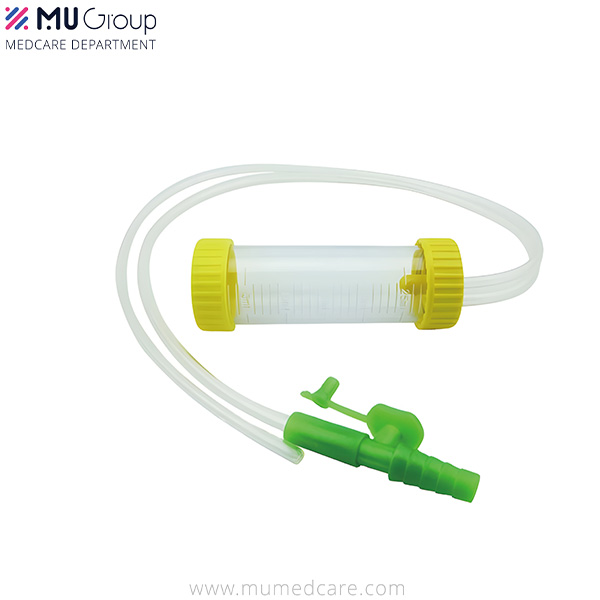
Auditing a manufacturer's claimed supply ability prevents stockouts. You must verify their production infrastructure. Automated assembly lines ensure consistent quality and high output. Manual labor increases the risk of contamination and assembly errors. A reliable partner should demonstrate verifiable daily output capacities exceeding 100,000 units per day. Request video tours of the cleanroom facilities if on-site visits are impossible.
Look for specific machinery during your audit. High-speed extrusion lines indicate control over catheter tubing quality. Ultrasonic welding machines provide stronger, cleaner seals for the collection chamber compared to chemical gluing. Automated blister packaging machines ensure consistent pouch seals.
Standard industry MOQs for a bulk disposable mucus extractor range from 10,000 to 50,000 units. Distributors can negotiate tiered structures based on annual volume commitments. Secure low-volume trial runs before signing long-term contracts. Negotiate single-bag or single-carton minimums for initial orders. This allows you to validate high precision and safety claims in a clinical setting without massive financial exposure.
Mandatory documentation is required for global distribution. You must verify ISO 13485 certification for medical device quality management. CE certificates are required for MDR compliance in Europe. FDA 510(k) clearances are necessary for the US market. Do not accept expired or pending certificates. Verify the documents directly with the issuing notified bodies to prevent fraud.
Implement strict audit protocols. Recommend third-party pre-shipment inspections from agencies like SGS or TÜV. These inspectors verify sterilization records. They check Ethylene Oxide (EO) gas concentration, temperature, and humidity logs. They also review biological indicator testing results. This ensures every batch meets sterility assurance levels (SAL) before leaving the factory.
Pay close attention to EO aeration times. Improperly aerated PVC retains toxic EO gas residue. Your supplier must provide documentation proving the extractors underwent sufficient aeration in temperature-controlled chambers to meet ISO 10993-7 residue limits.
Packaging integrity is mandatory for maintaining sterility. Extractors must be packed in individual peel-pouches. The standard is a medical-grade paper and transparent film combination. High-end markets often require Tyvek backing for superior tear resistance and breathability during sterilization. This allows visual inspection before opening. The seals must withstand pressure changes during air freight. Weak seals lead to burst pouches, rendering the product non-sterile and unsellable.
Standard EO-sterilized extractors have a 5-year shelf life. You must manage inventory rotation meticulously. Implement First-In, First-Out (FIFO) warehouse practices. Demand forecasting prevents expired stock accumulation. Order volumes should align with your 6-month sales projections. Factor in ocean freight transit times to ensure products arrive with maximum remaining shelf life.
Evaluating total landed cost requires looking beyond the factory gate price. You must calculate every expense incurred until the product reaches your warehouse. Hidden costs quickly erode perceived savings from cheap unit prices. Use a structured approach to evaluate overall value.
Cost Component | Impact on Procurement Strategy | Risk of Selecting Lowest Bidder |
|---|---|---|
Unit Price | Baseline factory cost per extractor. | Often indicates inferior PVC resin or manual assembly. |
Defect Rate | Costs associated with returns and replacements. | High defect rates destroy margins and hospital relationships. |
Freight Density | Shipping cost per cubic meter (CBM). | Poor packaging design increases volumetric weight and shipping fees. |
Compliance Fees | Costs for FDA/CE registration and third-party audits. | Uncertified factories push these legal risks onto the distributor. |
Argue against selecting the absolute lowest bidder. A cheap unit price often hides manufacturing shortcuts. A mere 2% increase in defect rates destroys cost savings. Cracked specimen cups leak hazardous fluids. Blocked catheters fail during emergencies. These defects lead to immediate product returns. More importantly, they damage your reputation and result in lost hospital contracts.
Regional market efficiency dictates procurement standards. Mature markets prioritize cost control and efficiency enhancement. Hospitals in these regions require distributors to source highly reliable, low-defect products. They cannot afford workflow disruptions caused by faulty consumables. You must supply premium-grade extractors to compete in these efficiency-driven markets.
Bulk packaging configurations impact shipping volume and freight costs. Analyze the units per inner box and boxes per master carton. Inefficient packaging increases the cubic meter (CBM) footprint. You pay for shipping air. Work with manufacturers to optimize carton dimensions without compromising pouch integrity. High-density packaging maximizes 40HQ container loads and reduces the landed cost per unit.
Global supply chains face constant bottlenecks. You must anticipate shipping delays caused by port congestion or vessel shortages. Raw material shortages, particularly for medical-grade PVC resin, can halt production lines. Geopolitical tensions and regional lockdowns disrupt manufacturing schedules. A reactive approach to these bottlenecks will leave your warehouse empty.
Deploy active mitigation tactics to protect your inventory pipeline:
Diversify your supplier base across different manufacturing regions to avoid single-point failures.
Establish localized buffer stock in domestic warehouses to absorb 30-to-60-day transit delays.
Write strict penalty clauses for late delivery into your manufacturing contracts to force supplier accountability.
Monitor global PVC resin indices to anticipate factory price hikes before they happen.
Managing product recalls requires robust traceability systems. You must implement strict batch and lot tracking software. If a manufacturer reports a sterilization failure, you need to locate the affected units instantly. Traceability allows you to execute targeted recalls rather than blanket market withdrawals. Swift handling of non-compliance events protects patient safety and shields your business from severe legal action.
Successful procurement of a Mucus Extractor relies on balancing strict material compliance with scalable manufacturing partnerships. You must prioritize DEHP-free medical PVC, secure specimen cups, and advanced filtration systems. These clinical features secure hospital contracts. Verifiable production capacity and certified sterilization processes protect your margins and legal standing.
Your shortlisting logic must remain objective. Core criteria include transparent capacity, technological innovation, and a willingness to submit to third-party audits. Reject suppliers who hesitate to provide documentation or refuse pre-shipment inspections. A reliable partner welcomes scrutiny because their processes meet international standards.
Take these immediate next steps to refine your procurement strategy:
Request detailed technical data sheets (TDS) and EO sterilization logs from your top three supplier candidates.
Mandate physical product samples for clinical review and vacuum stress testing by your hospital advisory board.
Initiate preliminary compliance audits on ISO 13485 and CE/FDA certificates directly with the notified bodies.
Negotiate a low-volume trial order to test packaging integrity, CBM efficiency, and shipping logistics.
A: Typical factory minimum order quantities range from 10,000 to 50,000 units. Many suppliers offer flexible trial minimums, such as a single carton, for initial quality testing. Custom branding or OEM packaging usually increases the minimum requirement significantly to cover printing setup costs and dedicated production runs.
A: You must request Ethylene Oxide (EO) sterilization reports for every batch. Check the biological indicator results to confirm sterility assurance levels. Ensure the packaging integrity passes burst and dye penetration tests to guarantee the sterile barrier remains intact during transit.
A: Open systems are cheaper but expose the airway during disconnection. Closed systems feature a protective sleeve, allowing suctioning without breaking the ventilator circuit. Closed systems command a higher wholesale price but are increasingly mandated for ICU patients due to strict infection control protocols.
A: Yes. There is a global regulatory shift toward DEHP-free and latex-free materials. This complies with modern pediatric and general safety regulations, such as REACH in Europe. Hospitals actively reject standard PVC containing phthalates due to toxicity concerns.
A: The design includes a standard 25ml to 40ml transparent collection jar. It features a secondary secure cap provided inside the sterile pouch. This allows safe, leak-proof transport to pathology labs. Anti-reflux valves are often integrated to prevent aspirate from returning to the patient.
A: Hidden costs include import duties, FDA or CE registration maintenance fees, and third-party quality inspection costs. Suboptimal packaging design increases the volumetric freight weight, drastically raising shipping expenses per unit.
A: They differ primarily in French gauge (Fr) sizing. Adult models use larger diameters (12Fr-18Fr) for thick secretions. Pediatric and neonatal models (5Fr-10Fr) feature softer, atraumatic tips and require lower suction pressure tolerances to prevent tissue damage in smaller airways.


