- Menu
-
- English


Views: 0 Author: Site Editor Publish Time: 2026-10-21 Origin: Site


Effective airway clearance requires absolute precision. The margin for error when removing respiratory secretions is narrow, especially for neonatal, pediatric, or compromised adult patients. Improper suctioning techniques or using substandard medical suction consumables often cause mucosal trauma, hypoxia, and cross-contamination. Poor equipment also ruins diagnostic samples. Caregivers and facility managers struggle to balance effective secretion removal with strict patient safety protocols. Establishing a standardized, evidence-based protocol for using a Mucus Extractor mitigates these risks directly. Proper technique keeps airways clear without damaging delicate tissue. This guide details step-by-step clinical usage, safety parameters, and evaluation criteria. You will learn how to select the right sterile consumables for your facility or specialized home-care setup.
Protocol Standardization: Adhering to strict vacuum pressure limits, utilizing saline to loosen secretions, and limiting suction duration (typically under 10-15 seconds) are critical to preventing hypoxia and tissue damage during extraction.
Consumable Selection: Utilizing a high-quality disposable PVC suction catheter with a non-invasive, atraumatic tip significantly reduces the risk of mucosal injury.
Diagnostic Integrity: For diagnostic purposes, an integrated, sterile sputum specimen collection cup ensures sample purity and safe transport to the laboratory.
Infection Control: Transitioning to single-use, sterile mucus extractors eliminates cross-contamination risks inherent in reusable suction devices and consumer-grade aspirators.
Airway management relies on maintaining unobstructed airflow and securing uncontaminated samples for accurate laboratory analysis. A clinical extractor serves a dual purpose in this environment. First, it actively clears the airway of viscous secretions, blood, or meconium to maintain proper oxygenation levels. When mucus plugs form, they increase airway resistance. This forces the patient to increase their work of breathing. Over time, respiratory muscle fatigue sets in, leading to hypercapnia and respiratory failure. A clinical extractor intervenes directly in this cycle by physically removing the obstruction. Second, it acts as a secure conduit for collecting respiratory secretions without introducing external pathogens. Success in this procedure means rapid restoration of normal oxygen saturation (SpO2) and the retrieval of a pure, viable diagnostic sample without causing secondary injury to the patient.
A stark operational difference exists between sterile, medical-grade extractors and consumer-grade manual nasal aspirators, such as standard bulb syringes or mouth-suctioned tubes. Clinical settings and high-needs home environments demand precise, measurable suction control. Medical-grade devices connect to calibrated vacuum sources, allowing practitioners to dial in exact negative pressure. They feature completely sterile pathways and integrated specimen traps. In contrast, uncalibrated manual alternatives offer unpredictable suction power. Bulb syringes easily harbor bacteria in their opaque chambers, and mouth-suctioned devices pose direct cross-contamination risks to the caregiver. Relying on consumer devices for airway clearance introduces unacceptable variables into patient care.
Specific clinical scenarios necessitate the immediate deployment of a medical-grade extractor. Recognizing these indications ensures timely intervention and prevents respiratory deterioration.
Neonatal Meconium Aspiration: Clearing the airway immediately post-delivery to prevent meconium from entering the lower respiratory tract.
Pediatric RSV Management: Removing thick, copious mucus from infants suffering from Respiratory Syncytial Virus, as they are obligate nose breathers and cannot clear secretions independently.
Adult Tracheostomy Care: Maintaining routine patency in patients with artificial airways, preventing mucus plugs that could lead to sudden asphyxiation.
Diagnostic Sampling: Collecting lower respiratory tract secretions for culture and sensitivity testing in suspected cases of bacterial pneumonia or tuberculosis.
Post-Operative Recovery: Managing excess oral and tracheal secretions in patients recovering from general anesthesia who have suppressed cough reflexes.
Executing a safe suctioning procedure requires a cohesive system of specialized components. Each part of the suction apparatus must work seamlessly to provide controlled negative pressure while protecting the patient's mucosal lining. Understanding the specifications of these components is non-negotiable for safe practice in any clinical setting.
The catheter is the direct point of contact with the patient. Selecting the appropriate disposable PVC suction catheter dictates the safety and success of the entire extraction process.
Guidelines for sizing rely on the French Gauge (Fr) system. Choosing the correct size prevents airway occlusion and trauma. A catheter that is too large will scrape the mucosal walls and block airflow during the procedure, rapidly inducing hypoxia. A catheter that is too small will fail to clear thick secretions and prolong the procedure unnecessarily. Standard practice dictates that the catheter's outer diameter should not exceed one-half of the internal diameter of the artificial airway or nasal passage. For example, if a patient has an 8.0 mm endotracheal tube, you multiply by 3 to get the French size (24) and divide by 2. The maximum safe catheter size is 12 Fr.
Material properties play a massive role in performance. Kink-resistant, medical-grade polyvinyl chloride (PVC) provides the necessary balance. The material must possess enough rigidity to navigate the nasal passages or endotracheal tube without folding back on itself. Simultaneously, it requires enough flexibility to follow the natural anatomical curve of the airway, ensuring patient comfort and preventing perforation. PVC resists kinking better than silicone in this specific application while remaining cost-effective for single-use applications.
Tip design directly influences mucosal safety. Atraumatic, frosted, or rounded tips are essential. These designs prevent the catheter from acting like a punch biopsy tool against delicate tissue. Lateral eyes (small holes near the tip) distribute the suction pressure evenly across multiple points. If the main distal opening adheres to the mucosal wall, the lateral eyes continue to vent the vacuum, instantly breaking the seal and preventing tissue avulsion.
Manual suction control is achieved through integrated thumb-control valves. These valves sit at the proximal end of the catheter. By covering or uncovering the port with a thumb, the practitioner manually regulates the suction strength instantly. This allows for intermittent suctioning, which is far safer than applying continuous, unbroken negative pressure during extraction. The practitioner feels the resistance change when a mucus plug is engaged, allowing for precise control.
When diagnostic testing is required, the integration of a sputum specimen collection cup transforms a standard suction setup into a closed collection system. The cup interfaces directly inline between the suction catheter and the main vacuum tubing.
Sample integrity depends on this closed-loop design. As secretions are drawn through the catheter, they deposit directly into the sterile cup. The continuous vacuum pulls the air out while trapping the heavier mucus inside the chamber. This prevents ambient air, caregiver handling, or non-sterile equipment from contaminating the sample. Sputum cultures require uncontaminated samples from the lower respiratory tract. Saliva contamination ruins the sample. The extractor bypasses the oral cavity to pull secretions directly from the trachea, ensuring the lab receives an accurate representation of the patient's respiratory flora.
Transport readiness is the final feature to evaluate. Once the required volume of mucus is collected, the cup must be easily detached from the suction line. High-quality cups feature secure, threaded caps and sealing mechanisms. These seals lock the biohazard safely inside, allowing for immediate, leak-proof transport to the laboratory without exposing transport staff or nurses to infectious respiratory pathogens.
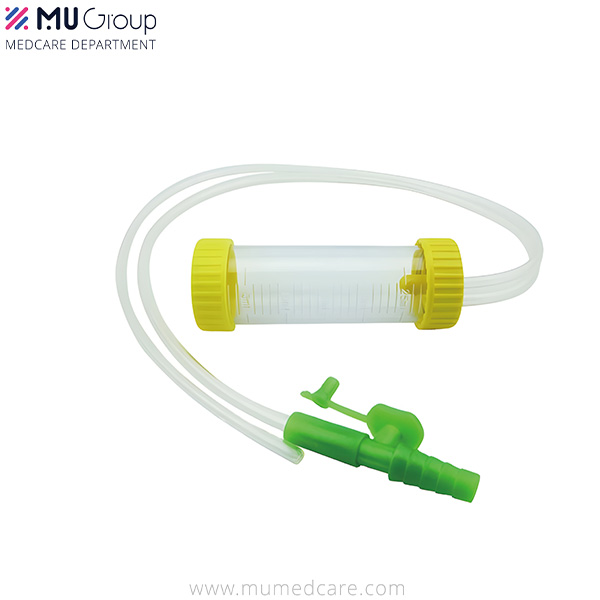
A standardized operating procedure eliminates guesswork and protects the patient. Following a rigid, step-by-step framework ensures that every extraction is performed safely, efficiently, and with minimal physiological stress.
Preparation begins long before the catheter touches the patient. Inspect the packaging of the sterile mucus extractor thoroughly. Verify that the sterile barrier is intact and check the expiration date. Using compromised equipment introduces immediate infection risks.
Establish a clinical baseline. Assess the patient's heart rate, oxygen saturation (SpO2), and respiratory rate. Listen to breath sounds with a stethoscope to identify the exact location of the secretions. This baseline provides the necessary metrics to determine if the patient tolerates the procedure or requires immediate cessation.
Secretion thinning drastically improves extraction efficiency. Administer simple sterile saline spray or drops into the nasal passages or artificial airway prior to suctioning. Saline acts as a solvent, loosening and thinning highly viscous mucus. This simple step reduces the friction during extraction and allows the practitioner to clear the airway using significantly lower vacuum pressures.
Pre-oxygenation creates a safety buffer. If clinically indicated, hyperoxygenate the patient using a bag-valve-mask or by increasing the fraction of inspired oxygen (FiO2) on their ventilator. Giving 100% oxygen for two minutes replaces nitrogen in the functional residual capacity with oxygen. Suctioning removes oxygen along with mucus; building an oxygen reserve prevents severe desaturation during the 10 to 15 seconds the airway is compromised.
Vacuum pressure calibration is the most important safety step. Never use uncalibrated wall suction. Connect the extractor to a regulated vacuum gauge and pinch the tubing to read the maximum negative pressure. Set safe limits based on the patient's age and size.
Patient Demographic | Recommended Catheter Size (Fr) | Safe Vacuum Pressure Range (mmHg) |
|---|---|---|
Premature Neonates | 5 - 6 | 40 - 60 |
Term Infants | 6 - 8 | 60 - 80 |
Pediatric (Children) | 8 - 10 | 80 - 100 |
Adults | 10 - 14 | 100 - 120 |
Initiate the insertion protocol carefully. Insert the catheter into the airway or nasal passage without applying any suction. Leave the thumb-control valve completely open. Applying suction during insertion pulls the mucosal tissue against the catheter tip, causing immediate tearing, bleeding, and swelling.
Execute the extraction gradually. Once the catheter reaches the desired depth, begin to withdraw it. As you pull back, place your thumb over the control valve to apply intermittent suction. Rotate the catheter gently between your thumb and forefinger. The mucosa is highly vascular. If the catheter tip stays in one place, the negative pressure causes micro-hemorrhages. Rotating breaks the vacuum seal continuously and allows the lateral eyes to sweep the airway walls. Adhere strictly to the maximum duration rule: the entire process of applying suction and withdrawing the catheter must never exceed 10 to 15 seconds.
Immediately reassess the patient upon removing the catheter. Monitor the SpO2 monitor to ensure oxygen levels return to the pre-procedure baseline. Listen to the breath sounds again to confirm the secretions have been successfully cleared. If a second pass is necessary, allow the patient to rest and re-oxygenate for at least one full minute before reinserting the catheter.
Secure the diagnostic sample safely. Disconnect the vacuum tubing from the collection cup. Remove the catheter interface and seal the cup tightly with its designated sterile cap. Label the container immediately at the bedside with the patient's details, date, and time of collection to prevent laboratory mix-ups.
Handle disposal with strict biohazard compliance. The used catheter and any associated tubing are heavily contaminated with respiratory pathogens. Discard them immediately into an approved biohazard receptacle. Remove personal protective equipment (PPE) and perform thorough hand hygiene. Finally, document the procedure in the patient's chart, noting the volume, color, consistency, and odor of the extracted secretions, as well as the patient's tolerance of the procedure.
Procuring the right equipment for a hospital ward or specialized home health inventory requires analyzing how specific product features directly translate to patient outcomes. Decision-makers must look beyond basic functionality and evaluate safety, compliance, and overall value.
Material safety is a primary concern, particularly in vulnerable populations. Evaluate the necessity of DEHP-free and phthalate-free plastics. Di(2-ethylhexyl) phthalate (DEHP) is a chemical plasticizer historically used to make PVC flexible. However, it disrupts endocrine function and can leach from the plastic into the patient's body. Neonates in the NICU are particularly vulnerable because of their small body mass and developing organs. Modern, high-quality extractors utilize biocompatible, phthalate-free alternatives that deliver the required flexibility without the chemical risk.
Transparency in materials provides immediate operational value. The collection chamber and the catheter tubing must be crystal clear. This allows the practitioner to perform an instant visual assessment of the extracted mucus. Identifying the presence of fresh blood, purulent green secretions, or meconium in real-time dictates the immediate next steps in clinical care.
Sterility assurance separates clinical-grade tools from consumer products. Assess the manufacturing and sterilization standards of the vendor. Products sterilized using Ethylene Oxide (EO) gas ensure that all microbial life is eradicated prior to packaging. The aeration process required after EO exposure ensures no toxic residue remains on the PVC.
The operational value of individually wrapped, single-use systems drives down infection rates. Hospital-acquired infections (HAIs), such as ventilator-associated pneumonia (VAP), drive up mortality rates and facility costs. Utilizing a strictly single-use system guarantees that a fresh, sterile pathway is used for every single procedure, completely eliminating the device as a vector for cross-contamination between patients or different lobes of the same patient's lungs.
Balancing budgets while maintaining safety requires looking at overall value influencing factors. The per-unit cost of a sterile extractor is a fraction of the financial burden caused by a single cross-contamination event or a rejected laboratory sample. A cheap, poorly designed catheter that causes mucosal bleeding requires additional medical intervention, prolonged hospital stays, and potential liability. Investing in high-quality consumables with atraumatic tips and secure collection cups reduces these hidden clinical costs.
Evaluate vendor reliability and supply chain stability. Respiratory care demands high volumes of consumables, especially during peak viral seasons like RSV or influenza outbreaks. Partnering with manufacturers who demonstrate robust production capabilities and consistent quality control ensures your facility never faces a shortage of essential airway management tools.
Even with the best equipment, human error and protocol deviations introduce significant risks. Identifying these pitfalls allows facilities to implement targeted mitigation strategies, ensuring consistent patient safety.
Aggressive suctioning is the most common cause of procedure-related complications. Applying excessive vacuum pressure, inserting the catheter too deeply, or jabbing the catheter into the nasal turbinates causes immediate bleeding, severe edema, and rapid oxygen desaturation. The vagus nerve innervates the posterior pharynx and trachea. Deep suctioning hits the carina, firing the vagus nerve. This causes parasympathetic overdrive, leading to sudden bradycardia and hypotension.
Mitigation requires mandatory, recurring staff competency training. Caregivers must demonstrate proficiency in calibrating pressure limits and selecting the correct catheter size. Enforce the mandatory use of saline to minimize friction. Institute a strict policy against deep suctioning unless explicitly ordered by a physician. Shallow suctioning, which only clears the secretions visible or audible in the upper airway, is sufficient for the vast majority of cases.
Improper handling of the collection cup leads to sample rejection and environmental contamination. Labs reject samples if they sit at room temperature too long or if the container leaks. This forces a redraw, increasing patient discomfort and delaying targeted antibiotic therapy. Furthermore, spilled secretions expose staff to biohazards.
Mitigation relies on utilizing true closed-system extractors. Train staff specifically on the detachment and sealing sequence. Enforce strict personal protective equipment (PPE) protocols, requiring gloves, masks, and eye protection during the entire procedure and the subsequent disposal phase. Implement rigid hand hygiene audits to ensure compliance before and after patient contact.
Audit current suctioning protocols against standard pressure limits and duration guidelines to ensure patient safety.
Inspect existing consumable inventory to verify all plastics are DEHP-free and feature atraumatic tips.
Request clinical samples of closed-system extractors from verified medical suppliers for hands-on evaluation.
Schedule mandatory competency training for respiratory therapy staff on shallow suctioning techniques and vagal response mitigation.
A: Safe vacuum pressure depends on patient age and size. Set regulators to 40-60 mmHg for premature neonates, 60-80 mmHg for term infants, 80-100 mmHg for children, and 100-120 mmHg for adults. Always start with the lowest effective suction to prevent mucosal tissue damage.
A: Yes. Administering sterile saline spray or drops helps loosen and thin thick, stubborn mucus in the nasal passages or artificial airway. This makes secretions significantly easier to extract, reducing friction and allowing you to use lower, safer suction pressures.
A: The system operates as a closed loop. Connect the cup inline between the suction catheter and the vacuum source. As you apply suction, mucus is drawn through the catheter directly into the integrated cup. Detach the cup and seal it with its sterile cap for lab transport.
A: They are highly safe provided they meet strict criteria. They must be appropriately sized, typically 5Fr to 8Fr for neonates. They also need non-invasive atraumatic rounded tips with lateral eyes and must be manufactured from biocompatible, DEHP-free plastics to prevent chemical exposure.
A: A clinical extractor provides measurable, continuous suction powered by a regulated vacuum. It features a completely sterile pathway and includes specimen collection capabilities. Consumer bulb syringes offer uncalibrated, manual suction and pose severe cross-contamination risks due to unsterile, hard-to-clean designs.
A: A single pass must be brief. The entire process, from applying negative pressure to completely withdrawing the catheter from the airway, should never exceed 10 to 15 seconds. Prolonged suctioning rapidly depletes oxygen reserves and induces severe hypoxia.
A: No. Clinical mucus extractors are strictly single-use medical consumables. Attempting to clean and reuse them degrades the PVC material. It introduces severe, unacceptable risks of bacterial infection and cross-contamination between patients or different areas of the respiratory tract.


