- Menu
-
- English


Views: 0 Author: Site Editor Publish Time: 2026-10-16 Origin: Site


Effective airway clearance is a non-negotiable requirement in neonatal care and general respiratory management. It directly impacts patient oxygenation and comfort. Retained secretions rapidly compromise respiratory function, especially in obligate nasal breathers like infants. Care providers and procurement teams frequently default to traditional manual tools without assessing secretion viscosity or the required depth of clearance. Relying on inadequate suction devices leads to repeated, ineffective suctioning attempts. This causes mucosal trauma and increases cross-contamination risks. When clinical teams grab the nearest manual bulb, they often ignore the physical limitations of the tool. Thick, purulent mucus demands sustained negative pressure that a simple rubber bulb cannot generate. This mismatch between tool and task wastes valuable response time during respiratory distress events. Moving beyond basic manual air displacement requires a structured comparison of device capabilities. This guide evaluates the standard bulb syringe against the professional mucus extractor. We analyze suction efficacy, hygiene standards, ergonomics, and clinical use cases to inform evidence-based procurement and care decisions. By examining the mechanical differences between these devices, facility managers can standardize their respiratory kits and deploy the correct regulated extraction system based on patient acuity.
Suction Mechanism: Bulb syringes rely on manual, uncalibrated air displacement, whereas a mucus extractor utilizes controlled, sustained suction (either oral, electric, or wall-regulated) for consistent clearance.
Infection Control: The enclosed, opaque nature of traditional bulb syringes presents significant mold and bacterial retention risks; a disposable mucus extractor offers a transparent, single-use solution that guarantees sterility.
Depth of Clearance: Bulb syringes are strictly limited to the anterior nares and cannot reach the bronchioles. Mucus extractors, equipped with specialized catheters, safely navigate deeper into the nasopharynx to clear stubborn secretions.
Scalability & Satisfaction: Selecting the right device is the first step in optimizing a facility's medical suction product range. Enhanced suction devices consistently yield higher caregiver and clinician satisfaction rates due to improved ergonomics and clearance efficacy.
The bulb syringe remains a staple in basic respiratory care. It operates entirely on manual positive and negative pressure. The user compresses the rubber or silicone bulb forcefully. This action expels the ambient air from the internal cavity. Placing the tip into the nasal cavity follows this initial step. Releasing the bulb creates a temporary, uncalibrated vacuum. This brief vacuum draws in loose, watery mucus. The physical volume of the bulb dictates the maximum suction capacity. Most standard models hold between two and three ounces of air. This limits the duration and strength of the negative pressure.
Simplicity is the primary advantage of this manual tool. It requires no batteries to operate. It needs no external power source or wall connection. The device is highly compact and lightweight. This makes it ideal for immediate, portable use. Parents frequently use it for basic at-home infant care. It fits easily into standard discharge kits. The lack of moving parts ensures immediate readiness. You do not need specialized training to perform basic clearance.
Executing a clearance pass with a manual bulb requires a specific sequence to avoid pushing secretions deeper into the airway. Clinical staff and caregivers generally follow these steps:
Compress the bulb completely before approaching the patient's face to prevent forcing air into the nasal cavity.
Insert the blunt tip gently into the anterior naris, angling slightly away from the center septum.
Release the compression slowly to initiate the vacuum effect and draw in the fluid.
Withdraw the device and expel the collected contents forcefully onto a sterile drape or tissue.
Repeat the process for the opposite naris if secretions remain visible in the vestibule.
Primary use cases are quite specific and limited. It is best suited for superficial secretions only. These secretions must be thin and highly fluid. It works adequately in the anterior nasal passages. Clinicians commonly utilize it in low-acuity infant care. It is also used for immediate post-delivery clearing. Delivery room staff use it to clear the mouth and nose. This helps establish the first breath for newborns. It handles amniotic fluid and thin mucus effectively.
Inherent physical limitations exist with this design. The device lacks a sustained, continuous vacuum. The recoil force of a standard two-ounce bulb generates a maximum negative pressure of roughly 50 to 80 mmHg for less than 1.5 seconds. Thick, tenacious mucus requires continuous negative pressure for removal. The brief elastic recoil of the bulb is insufficient. It cannot remove secretions from the bronchioles. It cannot reach the lower airway safely. Standard models feature a completely opaque design. This inability to visualize aspirated contents is highly problematic. It makes assessing secretion volume very difficult. Evaluating the color of the mucus is nearly impossible. This complicates clinical evaluation and delays targeted respiratory treatments.
Bulb Material | Durability | Cleaning Profile | Clinical Application |
|---|---|---|---|
Standard Rubber | Degrades over time with exposure to light and heat. | Opaque; impossible to verify internal cleanliness. High mold risk. | Basic at-home use; single-patient discharge kits. |
Medical Silicone | Highly durable; resists cracking and drying. | Often translucent; can be boiled or sterilized in some cases. | Low-acuity clinical environments; repeated single-patient use. |
PVC Blend | Moderate durability; stiffens over time. | Transparent; allows visual inspection of contents. | Post-delivery clearing; immediate neonatal care. |
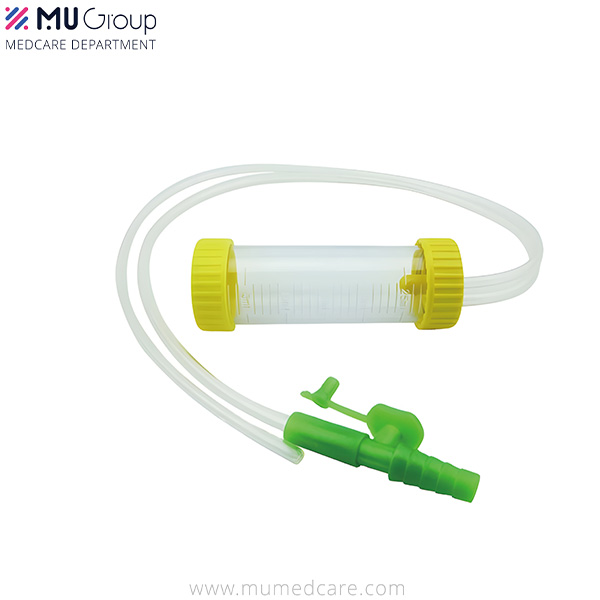
The Mucus Extractor represents a significant clinical upgrade. It features a specialized, transparent collection trap. This specimen container connects directly to two distinct tubes. One tube connects to the designated suction source. This source can be the user, an electric aspirator, or wall suction. The second tube enters the patient airway directly. This specific design isolates the aspirated mucus completely. It allows for both effective clearance and laboratory sampling. The trap usually holds between 10 and 25 milliliters of fluid. This capacity is sufficient for comprehensive diagnostic testing.
The device relies on a highly specialized insertion tube. Unlike the blunt tip of a bulb syringe, it uses a flexible PVC suction catheter. This specific material allows for atraumatic insertion. Clinicians can precisely navigate the complex airway anatomy. They can target the removal of deeper, hidden secretions. This occurs without damaging delicate mucosal tissue. The smooth, rounded tip prevents micro-abrasions during insertion. The flexibility adapts to the natural anatomical curves of the nasopharynx. You can select different French sizes based on patient age and airway diameter.
Selecting the correct catheter size prevents mucosal tearing and ensures adequate flow rates. Clinical guidelines generally recommend the following sizing conventions:
Size 5 to 6 French: Premature neonates and low-birth-weight infants.
Size 8 French: Term neonates and infants up to six months of age.
Size 10 French: Toddlers and small children requiring nasopharyngeal clearance.
Size 12 to 14 French: Older children and adolescents with thicker secretions.
Regulated vacuum control is a major clinical benefit. The device provides continuous, user-modulated suction pressure. This significantly reduces the required number of passes. Repetitive squeezing of a bulb is no longer necessary. Sustained negative pressure clears the airway much more efficiently. Patient distress decreases dramatically during the clearance procedure. Clinicians can adjust the pressure based on secretion thickness. This targeted approach prevents unnecessary tissue trauma. It also ensures complete removal of obstructing mucus plugs.
The specimen collection process is straightforward and maintains sample integrity. Once the clinician clears the airway and collects the exudate in the trap, they disconnect the suction and patient tubing. The trap features a secure, threaded cap. The clinician seals the container immediately. This prevents sample degradation and environmental contamination during transport to the microbiology lab. Laboratories routinely use these uncontaminated samples to run respiratory syncytial virus (RSV) panels, bacterial cultures, and viral polymerase chain reaction (PCR) tests.
Comparing these two devices requires a structured clinical framework. We must evaluate them across multiple operational dimensions. This ensures you select the appropriate tool for your specific patient population. The table below summarizes the primary operational differences.
Evaluation Criteria | Bulb Syringe | Mucus Extractor |
|---|---|---|
Suction Type | Manual, brief, uncalibrated vacuum. | Sustained, continuous, regulated vacuum. |
Secretion Viscosity | Thin, watery, superficial fluids only. | Thick, tenacious, and purulent mucus. |
Anatomical Reach | Anterior nares (nasal vestibule). | Nasopharynx and oropharynx. |
Infection Control | High risk of mold and bacterial retention. | Single-use, transparent, sterile design. |
Diagnostic Capability | None (opaque, no collection trap). | Excellent (inline specimen container). |
Efficacy drops sharply for bulb syringes as viscosity increases. The vacuum is brief and physically limited. It cannot be sustained over several seconds. This often leaves thicker mucus plugs entirely intact. Caregivers must make frustrating, repeated attempts to clear the airway. Each failed attempt increases patient agitation and discomfort. The physics of fluid dynamics work against the manual bulb. Thick purulent secretions resist the weak elastic recoil. According to Poiseuille's law, moving highly viscous fluid requires a proportional increase in pressure differential. A manual bulb simply cannot generate this sustained differential.
A mucus extractor handles highly viscous secretions easily. The sustained negative pressure is highly effective. It draws thick mucus through the catheter smoothly. The secretions enter the collection chamber immediately. This provides rapid relief for conditions like bronchiolitis. Continuous flow overcomes the resistance of thick mucus. Clinicians do not have to fight against the equipment. The airway clears in a fraction of the time. Connecting the extractor to a regulated wall unit allows the clinician to dial in the exact pressure required, typically between 80 and 100 mmHg for pediatric patients, ensuring safe and effective extraction.
Cross-contamination risks are exceptionally high with reusable bulbs. They are notoriously difficult to clean thoroughly. Drying the internal cavity completely is nearly impossible. Moisture remains trapped inside the bulb after washing. Skin flora and respiratory pathogens enter the cavity during routine use. This dark, warm environment promotes rapid biofilm formation. Pathogens like Pseudomonas aeruginosa and Staphylococcus aureus can colonize the interior easily. Squeezing a contaminated bulb can aerosolize these pathogens. This introduces new infections directly into the patient airway.
Implementing a disposable mucus extractor eliminates these severe risks. It prevents device-related healthcare-associated infections entirely. The transparent trap provides immediate visual confirmation. Clinicians can verify the absence of contaminants before use. Single-use protocols guarantee absolute sterility for every single patient. You simply discard the entire unit after the procedure. This eliminates the need for complex sterilization workflows and protects vulnerable patients from secondary respiratory infections.
Bulb syringes cannot safely bypass the nasal vestibule. Forcing them deeper causes significant tissue trauma. They are entirely ineffective for lower airway clearance. Bronchiole obstructions remain completely unaffected by bulb suction. The blunt tip cannot navigate past the inferior nasal turbinates. It simply pushes against the superficial tissue. This limits its use to very basic nasal hygiene. Attempting to clear deep congestion with a bulb often results in pushing the mucus plug further back into the airway.
Mucus extractors safely reach the nasopharynx. They can also navigate deeply into the oropharynx. This addresses secretions actively obstructing the upper airway. These specific areas are completely out of reach for a bulb. The flexible catheter adapts to the anatomical curves naturally. Clinicians can measure the insertion depth accurately by measuring the distance from the tip of the patient's nose to the earlobe. This ensures targeted clearance without inserting the catheter too far. Proper measurement prevents the catheter from hitting the vocal cords or triggering severe vagal reflexes. Deep clearance prevents respiratory distress from escalating into respiratory failure.
Repetitive squeezing causes severe hand fatigue over time. A bulb syringe often requires two hands to operate safely. One hand must stabilize the distressed patient. The other hand manipulates the bulb awkwardly. This operational strain reduces overall care efficiency. Managing a struggling infant with a manual bulb is difficult. The lack of control leads to suboptimal clearance results. The caregiver must constantly reposition their grip to maintain compression.
Regulated mucus extractors enhance usability significantly. Electric aspirators allow for ergonomic, one-handed operation. Caregivers report much higher satisfaction rates with these tools. The ease of use reduces procedural anxiety for the staff. Immediate patient relief reinforces the clinical value of the device. You can maintain better control over the patient's head position with your free hand. This improves the overall safety of the clearance procedure and allows for better visual monitoring of the patient's facial expressions and skin color during suctioning.
Assess your facility needs carefully before upgrading equipment. Evaluate patient demographics and overall acuity levels. Facilities frequently manage severe bronchiolitis or pneumonia cases. Neonatal respiratory distress requires advanced, reliable tools. These complex conditions demand more than superficial clearance. You must provide equipment capable of handling high-volume secretions. Relying solely on manual bulbs in these environments is negligent. Clinical managers must audit their current respiratory response times and evaluate how often staff struggle with inadequate manual tools.
Bridging the gap requires intermediate clinical solutions. Incorporating oral-suction extractors is a highly practical step. Portable electric aspirators also enhance your medical suction product range. They offer better clearance than a standard bulb. They do this without requiring full wall-suction infrastructure. Standardizing procurement ensures immediate access to these essential tools. Clinicians need diagnostic and therapeutic suctioning devices readily available. Keeping them in standard respiratory kits improves response times. Setting up a portable suction unit involves attaching the regulator, setting the appropriate pressure limits, connecting the sterile tubing, and attaching the extractor trap. This standardized setup allows any trained staff member to initiate clearance immediately.
Escalation of care demands superior, specialized equipment. Patients in critical care often require mechanical ventilation. Continuous airway management presents unique, high-stakes clinical challenges. Neither a bulb syringe nor a standard extractor is sufficient here. Disconnecting a ventilated patient to perform suctioning is dangerous. It leads to immediate loss of airway pressure. It also exposes staff to infectious respiratory aerosols. The sudden drop in pressure can cause alveolar collapse, leading to severe hypoxia.
Critical care environments require specialized, enclosed solutions. Transitioning to a closed suction catheter system is absolutely necessary. This allows for airway clearance without ventilator disconnection. The catheter is encased in a sterile plastic sheath and attaches directly to the endotracheal tube via a T-piece. The clinician advances the catheter through the sheath, applies suction, and withdraws it entirely within the closed circuit. It maintains positive end-expiratory pressure (PEEP) perfectly during the procedure. This system also minimizes aerosolized pathogen exposure significantly. Clinician safety improves alongside patient oxygenation outcomes. The closed circuit prevents environmental contamination entirely.
Over-suctioning poses a significant clinical risk to patients. Aggressive insertion can cause severe mucosal trauma quickly. Bleeding and vagal stimulation are common, dangerous complications. Vagal stimulation can lead to sudden bradycardia. Hypoxia can occur if the suctioning process lasts too long. Applying too much negative pressure can collapse delicate airways. These risks multiply when untrained staff handle advanced equipment. Without proper technique, a rigid catheter can perforate the posterior pharyngeal wall.
Mitigation requires strict, documented clinical competency training. Mandate education on proper insertion depth measurement techniques. Establish clear, non-negotiable suction pressure limits for all staff. Emphasize the vital importance of limiting suction duration. Keep each individual pass between 10 and 15 seconds. Allow the patient adequate time to reoxygenate between attempts. Monitor heart rate and oxygen saturation continuously using pulse oximetry and ECG during clearance. Staff must know how to abort the procedure immediately if the patient's heart rate drops or if oxygen saturation falls below acceptable thresholds.
Disposable devices introduce recurring supply chain requirements. Reusable bulbs represent a simple, one-time acquisition. This creates a perceived logistical imbalance initially for procurement teams. Facilities must look beyond the initial acquisition phase. Focusing solely on the unit quantity of a bulb is short-sighted. It ignores the hidden operational burdens of reusable equipment. It also ignores the clinical risks of inadequate clearance. Managing a fleet of reusable bulbs requires dedicated sterilization space, tracking protocols, and constant replacement of degraded rubber units.
Evaluate the long-term clinical benefits carefully. Factor in the labor hours required for sterilization protocols. Consider the improved caregiver efficiency during respiratory procedures. Assess the clinical penalties associated with treating device-related infections. Single-use devices eliminate sterilization overhead entirely. They also streamline the clinical workflow significantly. Establishing proper par levels in supply rooms ensures staff never run out of disposable extractors during peak respiratory virus seasons. Standardizing respiratory kits with pre-packaged disposable extractors reduces the time spent gathering supplies during an emergency.
Audit your current respiratory care protocols to identify airway clearance inefficiencies and equipment gaps.
Replace opaque reusable bulbs with transparent, single-use alternatives in all high-acuity wards and emergency departments.
Establish strict insertion depth and pressure guidelines for all catheter-based clearance procedures to prevent mucosal trauma.
Integrate specimen traps into standard diagnostic kits to streamline laboratory sampling workflows and reduce sample contamination.
Conduct quarterly competency training on advanced suction techniques, focusing on vagal response monitoring and oxygenation management.
A: A bulb syringe uses manual squeezing to create a brief vacuum for superficial nasal clearing. A mucus extractor uses sustained suction through a catheter to clear deeper, thicker secretions. It also collects these samples in an inline trap for diagnostic testing.
A: No. A disposable mucus extractor is designed strictly for single-patient use. This design prevents cross-contamination and ensures strict adherence to modern infection control standards. Reusing them compromises patient safety and sample integrity.
A: Yes, when used by trained clinical personnel. PVC suction catheters are designed to be highly flexible. They feature smooth, atraumatic tips to prevent damage to delicate mucosal tissues during insertion into the nasopharynx.
A: Electric aspirators offer gentle, continuous suction and allow for one-handed operation. This makes them an ergonomic upgrade over bulb syringes. However, for deep clinical clearance and diagnostic sampling, a professional mucus extractor remains the standard.
A: A closed system is required when a patient is on mechanical ventilation. It allows for airway clearance without breaking the ventilator circuit. This protects the patient from oxygen desaturation and the clinician from aerosolized pathogens.
A: Traditional opaque bulb syringes trap moisture inside the internal bulb cavity. This creates an ideal, dark environment for mold and bacterial growth. This contamination cannot be easily visualized or cleaned by caregivers, leading to biofilm formation.


