- Menu
-
- English


Views: 0 Author: Site Editor Publish Time: 2026-10-14 Origin: Site


Misidentifying or improperly substituting respiratory therapy masks compromises patient care, delays critical interventions, and wastes clinical resources. Despite their physical similarities, masks designed for aerosolized medication delivery and those designed for oxygenation serve entirely different physiological purposes. Facility managers, procurement teams, and home-care providers often struggle to standardize inventory because of overlapping terminology and unclear device specifications. This guide breaks down the mechanical differences, flow rate requirements, and clinical indications between a nebulizer mask and various oxygen masks. By establishing a clear evaluation framework, you can align your respiratory equipment procurement with strict clinical protocols and patient safety standards.
Distinct Primary Functions: Nebulizer masks are engineered to convert liquid medication into a breathable mist, whereas oxygen masks are designed to deliver specific concentrations of oxygen gas to treat hypoxia.
Flow Rate Dependencies: A nebulizer face mask typically requires a compressed air or oxygen flow of 6–8 L/min to properly aerosolize medication, while oxygen masks vary widely (e.g., 5–10 L/min for simple masks, 10–15 L/min for non-rebreathers).
Structural Variations: Nebulizer setups require an attached medication cup (nebulizer chamber), whereas oxygen masks rely on direct tubing, exhalation ports, or reservoir bags to control gas exchange.
Procurement Considerations: Selecting the right disposable oxygen face mask or nebulizer kit requires evaluating material safety (latex/DEHP-free), mask sizing (half-face vs. full-face), equipment compatibility, and infection control compliance.
Clinical care requires matching the delivery device to the specific respiratory deficit. Patients experience different types of respiratory failure on the floor. Some patients struggle with ventilation, which involves the mechanical movement of air in and out of the lungs. Others struggle with oxygenation, which is the transfer of oxygen across the alveolar membrane into the bloodstream. A third group requires localized medication delivered directly to the lung mucosa to reverse bronchospasm or clear thick secretions. You must identify the exact physiological problem before selecting a device. Using the wrong mask type fails to address the underlying deficit and often exacerbates the patient's distress.
Effective respiratory therapy masks must meet specific success criteria to be viable in a clinical or home setting. They require precise delivery mechanisms that do not degrade over time. They must exhibit minimal leakage around the facial contours, ensuring the prescribed therapy actually reaches the patient's airway. Patient comfort remains a primary factor for compliance during prolonged use, as uncomfortable rigid plastics lead to patients removing their own masks. The devices must offer ease of use for day-to-day care by nursing staff or family members. Finally, they must integrate seamlessly with existing hospital infrastructure, such as standard wall flowmeters, or home-care setups like portable concentrators.
We divide these interventions into two primary categories to simplify procurement and clinical application. The first category involves pharmacological delivery. This utilizes nebulizers to administer aerosolized drugs directly to the site of inflammation. The second category involves supplemental oxygenation. This utilizes oxygen masks to increase the concentration of inhaled oxygen and correct hypoxemia. Understanding this fundamental division helps prevent dangerous equipment substitutions during emergency situations.
Before applying any respiratory mask, clinicians typically follow a standard assessment sequence:
Assess airway patency to ensure no physical obstructions block gas flow.
Measure baseline oxygen saturation (SpO2) using a pulse oximeter.
Evaluate the patient's work of breathing, looking for accessory muscle use or retractions.
Auscultate lung sounds to identify wheezing, rhonchi, or diminished air movement.
Determine if the primary deficit is a lack of oxygen or a constricted airway requiring medication.
A nebulizer face mask relies on specific physical principles to function correctly. It uses the Bernoulli principle to achieve aerosolization. Compressed gas passes through a narrow restriction inside a liquid medication cup. This creates a low-pressure area immediately above the liquid. The negative pressure draws the liquid medication upward through a tiny capillary tube. The high-velocity gas stream then shatters the liquid against a physical baffle located inside the cup. This violent collision creates a fine, breathable mist that the patient inhales through the mask interface.
Droplet size dictates the success of the treatment. We measure this as respirable mass. Droplets must measure between 1 and 5 microns to reach the lower airways where the medication actually works. Larger droplets simply impact the back of the throat and get swallowed, providing zero respiratory benefit. Smaller droplets under 1 micron get exhaled before they can settle in the lung tissue. The physical components work together to maintain this precise droplet size.
Droplet Size and Airway Deposition | ||
Droplet Size (Microns) | Primary Deposition Site | Clinical Effectiveness |
|---|---|---|
Greater than 10 | Oropharynx / Throat | Ineffective for lung therapy; mostly swallowed. |
5 to 10 | Central Airways / Trachea | Useful for upper airway inflammation. |
2 to 5 | Lower Respiratory Tract | Optimal for bronchodilators and steroids. |
Less than 1 | Alveoli | Often exhaled before settling; minimal effect. |
Clinicians deploy the Nebulizer Mask for specific, targeted treatments. Standard use cases include acute asthma exacerbations where the airways clamp down and restrict airflow. Providers use them extensively for chronic obstructive pulmonary disease (COPD) management to keep airways open and clear mucus. Patients with cystic fibrosis rely on them for daily airway clearance routines, often nebulizing hypertonic saline to thin out thick secretions. Severe respiratory infections also warrant localized aerosol therapy to deliver antibiotics directly to the infected lung tissue.
The device delivers several common medication classes. Bronchodilators, such as albuterol and levalbuterol, relax airway smooth muscle rapidly. Corticosteroids, like budesonide, reduce severe airway inflammation over time. Anticholinergics, such as ipratropium bromide, help decrease mucus production and open airways. Delivering these medications topically to the lungs minimizes systemic side effects compared to oral or intravenous administration. It provides rapid, targeted relief during acute respiratory distress.
Nebulizers operate under strict physical parameters. A driving flow of 6–8 L/min is typically required to power the device. This specific flow rate achieves the correct particle size by providing enough kinetic energy to shatter the liquid against the baffle. Setting the flow too low produces large, ineffective droplets that rain out in the tubing or hit the back of the throat. Setting the flow too high wastes medication rapidly. It forces the drug out of the mask vents during the exhalation phase before the patient can breathe it in. Precision matters for optimal drug deposition.
You can drive the nebulizer using different gas sources depending on the clinical environment. A standalone air compressor pulls in room air, pressurizes it, and pushes it through the tubing. A wall-mounted oxygen flowmeter uses 100% compressed oxygen from the hospital's central supply. The choice depends entirely on the patient's oxygenation status. Hypoxic patients require the wall-mounted oxygen setup to treat their low oxygen levels while simultaneously receiving medication. Normoxic patients safely use standard air compressors, which is the standard practice for home care.
Nebulizer overuse carries significant clinical risks that staff must monitor. Excessive albuterol administration causes severe tachycardia, pushing heart rates to dangerous levels. It can also trigger hypokalemia by driving potassium into the cells, leading to cardiac arrhythmias. Misusing the device poses potential long-term dangers to lung tissue if steroids are overused without medical supervision. Patients often self-administer treatments at home without proper monitoring, leading to dangerous medication accumulation. You must establish strict dosage protocols and educate patients on maximum daily limits.
Infection control presents another major challenge with aerosol devices. Reusable nebulizer chambers harbor dangerous bacteria if improperly cleaned. Pathogens thrive in the warm, moist environment of the medication cup. Contaminated chambers deliver bacteria directly into the vulnerable lower airways, bypassing the body's natural upper airway defenses. This causes severe, hospital-acquired pneumonia or exacerbates existing infections. Strict cleaning protocols, such as rinsing with sterile water and air-drying, mitigate this severe risk.
The simple disposable oxygen face mask provides moderate oxygen support for patients who need more than a nasal cannula can offer. It lacks a reservoir bag attached to the base. The mask body itself acts as a small reservoir for the oxygen, holding about 100 to 200 milliliters of gas. It mixes the incoming pure oxygen with room air pulled through the open side ports during inhalation. This design suits patients recovering from surgery or those experiencing moderate hypoxia who require a reliable bridge therapy.
Operational parameters require strict adherence to prevent patient harm. You must set flow rates between 5 and 10 L/min. This achieves a Fraction of Inspired Oxygen (FiO2) of roughly 35% to 50%. Flow rates must never drop below 5 L/min under any circumstances. Lower flow rates fail to generate enough pressure to flush exhaled carbon dioxide out of the mask body. If the flow is too low, the patient will rebreathe their own CO2, leading to dangerous hypercapnia, lethargy, and eventual respiratory failure.
Specific clinical cautions apply to this device, particularly regarding chronic patients. You must carefully titrate oxygen for COPD patients. Excessive oxygen can suppress their hypoxic drive. For these patients, low oxygen levels stimulate their urge to breathe. If you flood their system with high-concentration oxygen via a simple mask, this suppression reduces their natural respiratory rate. Monitor blood gas levels closely when applying simple masks to chronic respiratory patients and always use the lowest effective flow rate to maintain target saturations.
The non-rebreather oxygen mask handles severe respiratory emergencies and trauma situations. It features an attached reservoir bag at the base of the mask. It also utilizes one-way rubber valves on the exhalation ports and between the bag and the mask. These valves prevent room air from entering the mask during inhalation and prevent exhaled air from entering the reservoir bag. The patient draws pure oxygen directly from the inflated reservoir bag. This mechanical isolation maximizes oxygen delivery to the lungs.
This device demands high-flow requirements to function safely. You must set the flowmeter between 10 and 15 L/min. The flow must remain high enough to keep the reservoir bag at least two-thirds inflated during the patient's deepest inspiration. If the bag deflates completely during inhalation, the flow is too low to meet the patient's inspiratory demand. A deflated bag suffocates the patient and causes severe respiratory distress. Always inflate the bag manually by covering the valve before placing the mask on the patient's face.
Clinicians reserve this mask for critical, life-threatening situations. It treats emergency trauma, severe hypoxia, carbon monoxide poisoning, and acute respiratory distress syndrome (ARDS). The device delivers a high FiO2, reaching up to 90% to 100% under optimal conditions. It buys critical time for patients awaiting intubation or advanced mechanical ventilation. It is a short-term, high-impact intervention, not a long-term therapy solution.
Nasal cannulas offer a distinct alternative to facial masks for stable patients. They utilize two small prongs inserted directly into the nostrils. They provide low-flow, long-term home oxygen therapy. Cannulas deliver oxygen while leaving the mouth completely unobstructed. This fundamental design difference changes the patient experience entirely. It represents the standard of care for stable, chronic hypoxia where patients need continuous support without the physical burden of a mask.
Cannulas significantly impact day-to-day care at home and in the general ward. They allow patients to eat, drink, and speak normally without interrupting their oxygen supply. They improve sleep comfort compared to bulky facial masks that shift during the night. Patients tolerate cannulas for 24-hour continuous use. Masks often cause claustrophobia, anxiety, and facial skin breakdown over time. The cannula prioritizes long-term lifestyle integration and patient compliance.
However, cannulas have strict flow limitations based on human anatomy. They safely deliver only 1 to 6 L/min. A general rule of thumb states that FiO2 increases by about 4% for every 1 L/min of flow. Higher flows cause severe nasal dryness, mucosal bleeding, and extreme discomfort. They cannot achieve the high FiO2 levels that masks provide. You must transition patients to masks when their oxygen demands exceed 6 L/min or if they become obligate mouth breathers during distress.
The delivery mechanisms differ fundamentally at the physics level. Nebulizers rely on liquid aerosolization. They use kinetic energy from a pressurized gas stream to shatter fluid into suspended particles. The goal is to create a physical suspension of liquid droplets in a gas medium. Oxygen masks rely on continuous dry or humidified gas flow. They manipulate gas concentration gradients in the lungs to force more oxygen across the alveolar membrane. One delivers a physical suspension of medication; the other delivers a pure, concentrated gas.
The physics of delivery dictates the physical design and orientation of the equipment. Nebulizers require a strict vertical orientation to keep the liquid medication pooled over the gas jet. If the patient tilts the mask or lies flat, the liquid shifts away from the capillary tube, and aerosolization stops immediately. Oxygen masks function regardless of physical orientation. The gas flows freely whether the patient is sitting up, lying prone, or being transported on a stretcher. This physical reality impacts how you position patients during treatment.
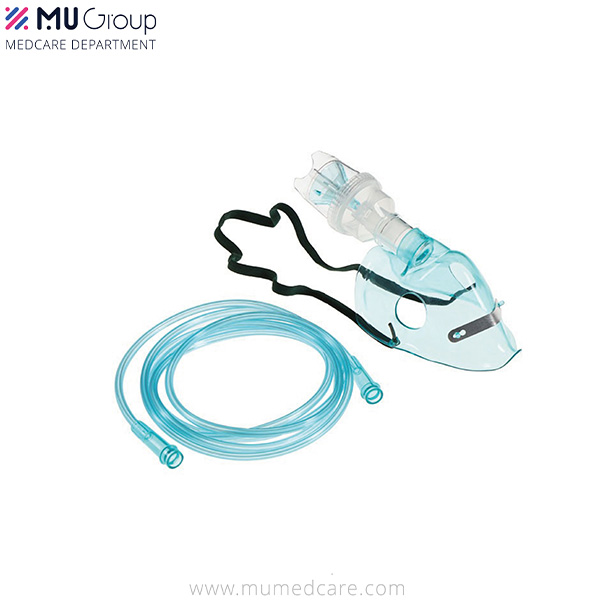
Component differences reflect the distinct primary functions of each device. Nebulizers feature a hard plastic medication reservoir (the acorn) attached to the bottom of the mask. Non-rebreathers feature a soft plastic oxygen reservoir bag. You cannot interchange these components. Attempting to pour liquid medication into an oxygen mask fails completely, as there is no jet or baffle to aerosolize the fluid. The structural geometry simply does not support aerosol generation.
Mask sizing variations play a critical role in treatment efficacy. Manufacturers offer half-face and full-face designs. They provide specific pediatric contours that account for smaller nasal bridges and adult contours for larger facial structures. Proper anatomical fit prevents aerosol or oxygen leakage. A poor seal on a nebulizer allows expensive medication to escape into the room, exposing healthcare workers to secondhand aerosols. A poor seal on an oxygen mask allows room air to dilute the oxygen concentration, defeating the purpose of the therapy. Fit dictates function.
Exhalation ports function differently on each device to manage gas flow. Simple oxygen masks use open side ports to vent exhaled CO2 and draw in room air. Nebulizer masks use larger, unobstructed vents to allow excess aerosol to escape during exhalation. The nebulizer vents prevent pressure buildup inside the mask and ensure the patient does not feel suffocated by the continuous mist. Understanding these port designs helps you troubleshoot leakage issues and ensure the patient is breathing comfortably.
Technical Comparison of Respiratory Masks | |||
Feature | Nebulizer Mask | Simple Oxygen Mask | Non-Rebreather Mask |
|---|---|---|---|
Primary Function | Aerosolized medication delivery | Moderate oxygenation | High-concentration oxygenation |
Typical Flow Rate | 6–8 L/min | 5–10 L/min | 10–15 L/min |
Driving Gas | Compressed Air or Oxygen | 100% Oxygen | 100% Oxygen |
Structural Add-ons | Medication Chamber (Acorn) | Open Exhalation Ports | Reservoir Bag & One-Way Valves |
Maximum FiO2 | Depends on driving gas (21% on air) | 35% - 50% | 90% - 100% |
A common misconception plagues clinical practice regarding aerosol therapy. Many assume nebulizer masks inherently provide oxygen simply because they are attached to a patient's face. A nebulizer mask driven by a standard home air compressor provides exactly 21% FiO2. This is simply room air. Oxygen masks are explicitly designed to increase FiO2 above baseline levels. You must understand the driving gas source to know what the patient is actually inhaling.
You can deliver supplemental oxygen concurrently with a nebulizer treatment in a hospital setting. If the patient is hypoxic and wheezing, connect the nebulizer tubing directly to a wall oxygen flowmeter. Set the flow to 8 L/min. This aerosolizes the medication while simultaneously delivering high-concentration oxygen to the patient. This dual-therapy approach stabilizes the patient's oxygen saturation during bronchodilation, treating both the bronchospasm and the hypoxemia simultaneously.
Establish a clear decision matrix for your nursing and respiratory staff. If the primary goal is reversing bronchospasm, clearing secretions, or treating airway inflammation, select the nebulizer. If the primary goal is correcting hypoxemia or treating carbon monoxide exposure, select the oxygen mask. Do not confuse the symptoms. Wheezing requires medication. Low oxygen saturation requires supplemental gas. Target the specific physiological deficit with the correct tool.
Dual-therapy scenarios require careful sequencing and clinical judgment. Some patients present with both severe bronchospasm and profound hypoxia. You may need to apply a non-rebreather mask first to stabilize oxygen levels and prevent cardiac arrest. Once oxygen saturations reach a safe threshold, you can transition to an oxygen-driven nebulizer to open the airways. Sequential intervention prevents catastrophic respiratory failure. Train your staff to prioritize oxygenation in life-threatening emergencies.
Evaluate your infrastructure requirements before purchasing new inventory. Match your masks to standard DISS (Diameter Index Safety System) oxygen wall outlets and standard Christmas tree adaptors (nipple nut adaptors). Ensure compatibility with portable O2 tanks used during patient transport. Home-care providers must match equipment to home concentrators or standalone air compressors. Incompatible tubing connectors delay critical care and frustrate staff.
Standardization prevents connection errors during high-stress situations. Ensure all oxygen tubing features standard crush-resistant lumens that maintain flow even if a bed wheel rolls over them. Verify that nebulizer threads match your facility's standard medication cups to prevent cross-threading and leaks. Mismatched equipment forces staff to improvise connections with tape or mismatched adaptors. Improvised connections leak gas and compromise treatment efficacy. Audit your supply chain for strict compatibility across all departments.
Analyze the logistics of your purchasing decisions. Buying bulk disposable units ensures you always have clean equipment ready for incoming patients. Reusable nebulizer kits require robust sterilization protocols but reduce physical waste for chronic home-care patients. Single-patient-use disposable nebulizers dominate hospital settings to prevent cross-contamination and reduce the labor burden on central sterile processing departments.
Inventory standardization prevents clinical errors on the floor. Use color-coding or distinct packaging to separate aerosol devices from oxygen devices. Store them in separate supply bins in the clean utility room. When a nurse grabs a mask during a code blue, they must grab the correct one instantly without reading fine print. Clear procurement strategies and organized storage directly enhance patient safety and response times.
Regulatory and safety evaluation dimensions require strict attention from procurement teams. Demand FDA clearance for all respiratory products entering your facility. Insist on latex-free materials to prevent severe anaphylaxis in sensitized patients. Specify DEHP-free plastics to avoid toxic chemical exposure, as DEHP is a plasticizer that can leach out of PVC tubing over time. Material safety protects both the patient and the healthcare facility from adverse events and liability.
Patient skin integrity matters immensely during prolonged use. Look for masks with soft, pliable edges that conform to the face. Rigid plastic digs into the nasal bridge and cheeks. This causes painful pressure ulcers within hours, leading to hospital-acquired conditions. Prioritize ergonomic designs that distribute pressure evenly across the facial structure. Comfort drives treatment compliance; a patient in pain will simply remove the mask.
Consider modern design improvements when evaluating vendors. Swivel tubing connectors prevent the tubing from kinking when the patient turns their head in bed. Ergonomic head straps reduce tension on the ears, preventing skin breakdown behind the auricle. These small features enhance patient comfort and function during day-to-day care. Better designs reduce the frequency of mask adjustments by nursing staff, saving valuable clinical time.
Strict protocols govern single-patient use versus disposable equipment. Never share a nebulizer chamber between patients under any circumstances. The risk of bacterial transmission is absolute. In hospital settings, discard the nebulizer setup after the prescribed duration, usually 72 hours, or if it becomes visibly soiled. Label the equipment clearly with the patient's name, room number, and the date of first use to ensure timely replacement.
Aerosol-generating procedures (AGPs) pose severe risks in infectious disease wards. Nebulizers aerosolize patient saliva alongside the medication. This creates a highly infectious plume in the room, exposing staff to pathogens like tuberculosis or COVID-19. Mitigate this risk by using viral HEPA filters on the exhalation ports of specialized nebulizers. Perform these treatments in negative pressure rooms whenever possible. Protect your healthcare workers from airborne pathogens through strict environmental controls.
Flow rate errors compromise patient safety daily in busy wards. Connecting an oxygen mask to a flowmeter set too low causes CO2 retention. The patient slowly becomes lethargic, confused, and eventually unresponsive as carbon dioxide builds up in their blood. Connecting a nebulizer to a flowmeter set too high wastes the medication instantly. It alters the droplet size, rendering the drug ineffective and leaving the patient in respiratory distress.
Mitigate user error through aggressive staff training and visual aids. Post flow rate reference charts directly above the wall flowmeters in patient rooms. Implement protocol recommendations that require dual sign-offs for high-risk respiratory interventions. Conduct regular competency checks on respiratory equipment setup during nursing orientation. Education and clear visual reminders remain the strongest defense against mechanical errors.
Nebulizer masks and oxygen masks are not interchangeable. They serve distinct pharmacological and physiological purposes. Misapplication compromises treatment efficacy and directly threatens patient safety. Understanding the mechanical physics, flow rate dependencies, and structural designs allows you to deploy the correct intervention rapidly. Precision in equipment selection yields precision in clinical outcomes.
Base your procurement and clinical application on the primary deficit. Use nebulizer setups for targeted airway medication delivery. Select the appropriate oxygen mask based on the required FiO2 and flow rate. Let the patient's physiological data drive your equipment choices. Eliminate guesswork from your respiratory care protocols to ensure consistent, high-quality patient care.
Audit your current respiratory therapy masks inventory to remove incompatible or outdated equipment that causes connection errors.
Implement clear, color-coded labeling between aerosol and oxygen delivery devices in all supply rooms to speed up emergency retrieval.
Update your staff training protocols to emphasize minimum flow rate requirements for simple oxygen masks to prevent CO2 retention.
Consult with your medical supply vendor to source compliant, latex-free, and DEHP-free disposable units to protect patient skin integrity.
Establish a strict 72-hour replacement protocol for all single-patient-use nebulizer chambers to eliminate hospital-acquired pneumonia risks.
A: Standard oxygen masks lack the medication cup required to aerosolize liquid medication. You cannot use them for this purpose. The physical design prevents liquid from converting into a breathable mist. Attempting this substitution wastes medication and denies the patient necessary pharmacological intervention.
A: Nebulizer masks only provide supplemental oxygen if you connect them directly to an oxygen flowmeter. If you connect them to a standard air compressor, they deliver medication via room air. Room air contains 21% oxygen. Always verify the driving gas source based on patient oxygenation needs.
A: A simple face mask provides moderate oxygen support at 5–10 L/min without a reservoir bag. A non-rebreather mask features an attached reservoir bag and one-way valves. It requires 10–15 L/min of flow. The non-rebreather delivers much higher oxygen concentrations for severe hypoxia or trauma.
A: Replace single-use disposable masks according to strict clinical guidelines or manufacturer instructions. Facilities typically replace them every 5 to 7 days for continuous users. Frequent replacement prevents bacterial colonization. It also ensures the plastic material maintains its structural integrity and proper facial seal.
A: Yes. Clinical practice often involves placing a nebulizer mask directly over a nasal cannula. This setup helps patients who require continuous oxygenation while receiving aerosolized medication. The cannula maintains baseline oxygen saturation. The mask simultaneously delivers the necessary bronchodilator therapy.
A: Both nebulizer and oxygen masks come in multiple sizes. Options include pediatric, adult, half-face, and full-face contours. Selecting the correct size ensures a proper anatomical seal. A tight seal prevents aerosol or oxygen leakage, maximizing treatment efficacy and patient comfort.


