- Menu
-
- English


Views: 0 Author: Site Editor Publish Time: 2026-08-13 Origin: Site


The ongoing tension in healthcare procurement and home care management centers on a critical balance. Facility managers, at-home caregivers, and new mothers must minimize environmental impact while maintaining uncompromising infection control standards. Decision-makers struggle to balance upfront costs, long-term return on investment, and strict hygiene requirements when selecting nursing supplies. Choosing between single-use and washable products requires evaluating clinical efficacy, safety protocols, and operational constraints. This guide provides an evidence-based framework for evaluating reusable versus disposable options across the full spectrum of care. We cover everything from critical airway management to personal maternity care, enabling confident, risk-adjusted purchasing decisions without compromising patient safety.
Lifecycle Cost Analysis: Disposables require lower initial capital but create perpetual operational expenses. Reusables demand higher upfront investment and maintenance infrastructure but typically yield a superior long-term ROI.
Infection Control & Compliance: Single-use items remain the non-negotiable gold standard for high-risk clinical environments and barrier protection, whereas reusables are highly viable for low-risk, personal, or maternity care.
Environmental Reality: While reusables drastically reduce landfill waste, their true environmental footprint must account for the energy, water, and chemical costs of continuous sterilization and laundering.
Context-Dependent Procurement: The optimal choice hinges entirely on the specific supply category—evaluating a tracheostomy tube requires a fundamentally different risk matrix than evaluating maternity nursing pads.
Establishing baseline requirements for sterility, hypoallergenic properties, and cross-contamination prevention forms the foundation of any supply decision. Clinical efficacy and patient safety cannot be compromised. Every item introduced into a care environment must meet specific regulatory and practical standards to protect vulnerable individuals from healthcare-associated infections. You must evaluate the physical properties of the materials used. For instance, barrier protection items need high tensile strength and puncture resistance. Absorbent materials require rapid moisture-wicking capabilities to maintain skin integrity.
Moving beyond unit price is necessary to calculate true lifecycle costs. Single-use items carry ongoing disposal fees and continuous reordering expenses. Sanitizing reusables involves labor, utility costs, and specialized equipment. Evaluating these financial impacts ensures budgets remain sustainable over time. You have to account for the hidden labor hours spent managing inventory, processing purchase orders, and handling waste disposal manifests.
Supply chain resilience also plays a major role in procurement. Disposables are highly vulnerable to global manufacturing and shipping shortages. Reusables rely heavily on local sterilization infrastructure. Understanding these constraints helps facilities and caregivers build robust inventory systems that withstand external disruptions. When global shipping lanes face delays, local stockpiles of single-use items deplete rapidly. Having a reliable local process for sanitizing durable goods provides a necessary buffer.
The historical shift toward disposable products occurred primarily to combat healthcare-associated infections. By eliminating the need to wash and sterilize complex instruments, facilities drastically reduced cross-contamination rates. Single-use items provide a guaranteed sterile baseline right out of the packaging. This shift transformed clinical workflows, allowing staff to focus more on direct patient care rather than instrument processing.
Certain scenarios legally or clinically mandate single-use products. Procedures involving high volumes of bodily fluids, compromised immune systems, or known infectious diseases require strict barrier protocols. In these situations, the risk of inadequate sterilization far outweighs any environmental or financial concerns. Regulatory bodies strictly enforce these mandates to prevent outbreaks of bloodborne pathogens.
Pre-sterilized, ready-to-use items maximize operational efficiency. Caregivers can open a package, perform a task, and discard the materials without dedicating time to cleaning protocols. This speed is vital in emergency settings or high-turnover clinical environments. When seconds matter, fumbling with sterilization pouches or waiting for an autoclave cycle is not an option.
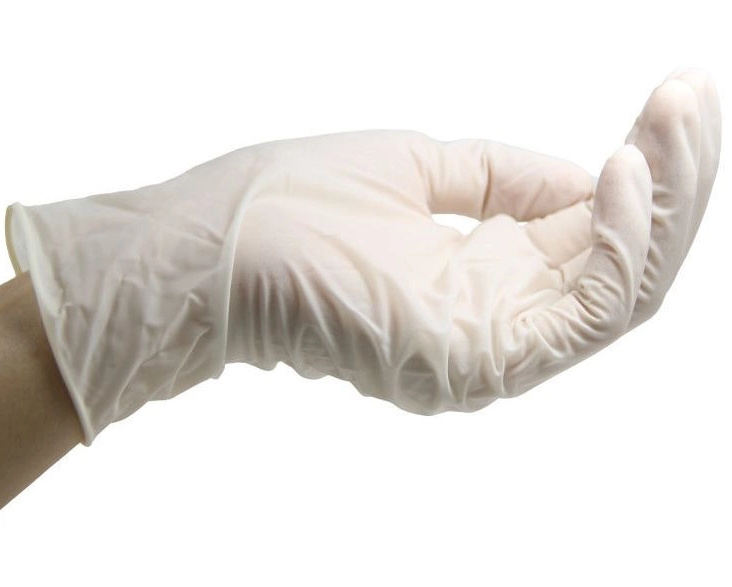
Immediate, reliable barrier protection is essential. For example, latex disposable exam gloves offer excellent tactile sensitivity and protection without the risk of material degradation that comes from repeated washing. They ensure consistent performance during every patient interaction. The elasticity and fit of these gloves provide caregivers with the dexterity needed for delicate procedures.
The compounding financial impact of continuous reordering can strain budgets. While a single box of supplies appears inexpensive, the annual expenditure for high-volume disposables represents a massive ongoing operational cost. Facilities must constantly monitor inventory levels to prevent stockouts, requiring dedicated procurement staff.
Medical waste management adds another layer of logistical burden. Disposing of biohazardous materials requires specialized handling and fees. Furthermore, the environmental impact of non-biodegradable plastics filling landfills continues to draw scrutiny from sustainability advocates and regulatory bodies. Incineration of certain medical plastics also releases harmful byproducts into the atmosphere.
Mapping the break-even point is critical when investing in durable goods. The initial cost of durable medical supplies is often significantly higher than their disposable counterparts. However, once the item surpasses its break-even usage threshold, every subsequent use generates financial savings. You must track usage cycles accurately to realize these savings.
Reducing solid waste generation aligns with institutional environmental, social, and governance goals. Facilities aiming to lower their carbon footprint often prioritize reusables to cut down on daily landfill contributions and packaging waste. Transitioning even a small percentage of daily supplies to reusable formats yields measurable reductions in waste tonnage.
Reusables carry hidden costs that must be factored into any evaluation. Autoclaves, commercial laundering services, and EPA-approved chemical disinfectants require capital investment and maintenance. The labor required to process, inspect, and repackage these items also represents a substantial operational expense. You need dedicated space for dirty-to-clean workflow separation.
Compliance with strict sterilization protocols is mandatory. Staff must be trained to handle contaminated items safely, operate sterilization equipment correctly, and document the process to meet regulatory standards. Regular audits of the sterilization process ensure that equipment functions correctly and staff adhere to safety guidelines.
No reusable item lasts forever. Establishing strict protocols for inspecting items is necessary to maintain safety. Caregivers must check for micro-tears, material degradation, and compromised structural integrity before every use. Visual inspections should be paired with functional tests where applicable.
Once an item shows signs of wear, it must be retired immediately. Pushing a reusable product past its safe lifecycle invites contamination and reduces clinical efficacy. Negating any cost savings achieved through extended use is not worth the risk to patient safety.
Single-use gloves dominate the market for bloodborne pathogen protection due to their reliability. Heavy-duty reusable alternatives often suffer from reduced tactile sensitivity and carry a higher risk of failure if micro-tears go unnoticed during inspection. The tactile feedback required for finding veins or palpating tissue is lost with thicker reusable materials.
The rigorous demands of infection control make disposables the preferred choice for barrier protection. The inability to guarantee complete sterilization of porous materials after exposure to high-risk pathogens renders reusables impractical in these specific clinical applications. Cross-contamination risks in these scenarios are simply too high to manage with washable items.
Airway management requires meticulous hygiene to prevent respiratory infections. Evaluating a tracheostomy tube involves comparing the convenience of disposable inner cannulas against the rigorous cleaning protocols required for reusable silicone or silver tubes. The inner cannula must remain clear of secretions to ensure adequate airflow.
Disposable inner cannulas offer immediate replacement, reducing the risk of mucus buildup and airway obstruction. Reusable tubes require specialized brushes, specific cleaning solutions, and thorough drying to prevent bacterial growth. For at-home care, disposables often provide a safer, more manageable solution for patients and untrained caregivers.
Feature | Disposable Inner Cannula | Reusable Inner Cannula |
|---|---|---|
Sterility | Guaranteed out of package | Depends on cleaning protocol |
Maintenance Time | Minimal (Swap and discard) | High (Soak, brush, rinse, dry) |
Blockage Risk | Low (Replaced frequently) | Moderate (If not cleaned properly) |
Durability | Single-use only | Lasts weeks to months |
Lactating mothers frequently evaluate the performance of reusable versus disposable nursing pads. Synthetic disposable polymers offer rapid moisture-wicking properties, pulling liquid away from the skin quickly. Natural, breathable fibers like bamboo or organic cotton used in reusables provide superior softness but may feel damp sooner. The choice often comes down to personal comfort preferences and daily activity levels.
Discretion under clothing varies between the two options. Premium disposables feature an ultra-thin, contoured fit that remains invisible under most garments. Washable alternatives tend to be bulkier, though many users prefer their comfort against sensitive skin. The thickness of reusable pads can sometimes show through thin fabrics, requiring strategic clothing choices.
Different materials trap or release odors from leaked breastmilk over extended wear. Disposables often contain absorbent gels that neutralize smells effectively. Reusables rely on frequent changing and thorough washing to manage hygiene. Leaving a damp reusable pad in place for too long can lead to sour odors and skin irritation.
Many modern reusable pads incorporate antimicrobial fabrics to inhibit bacterial growth and reduce odor. However, improper washing routines can lead to residue buildup, compromising both absorbency and odor control. Using the correct detergent and avoiding fabric softeners is critical for maintaining the performance of washable pads.
Purchasing a finite stash of washable pads requires a higher initial outlay compared to a single box of disposables. Yet, months of daily disposable pad consumption quickly surpass the cost of a reusable set. You must calculate the expected duration of breastfeeding to determine the true financial impact.
The immediate postpartum period involves a high frequency of pad changes. This volume trap inflates the cost of disposables rapidly. Reusables prove far more cost-effective long-term, provided the user has the capacity to manage the washing routine. Building a stash of 10 to 14 reusable pads usually covers the needs of a typical week with regular laundry cycles.
Disposables offer quick-change, on-the-go convenience. Soiled pads are simply thrown away, making them ideal for travel or busy days. Reusables add a daily laundry requirement to a new parent's already heavy workload. The mental load of tracking clean versus dirty inventory can be overwhelming for some.
Managing soiled reusables while away from home requires wet bags and careful storage. Caregivers must weigh the financial and environmental benefits against the practical reality of continuous washing. Sometimes, the sheer convenience of tossing a soiled item outweighs the long-term savings of washing it.
Contact dermatitis can occur from the adhesives and synthetic plastics used in disposable pads. Users with sensitive skin often experience irritation from prolonged contact with these materials. The lack of airflow in plastic-backed disposables can exacerbate skin conditions.
Conversely, reusables can cause friction if the fabric is rough or if detergent residue remains after washing. Selecting hypoallergenic detergents and ensuring thorough rinsing mitigates the dermatological risks associated with washable supplies. Natural fibers generally allow the skin to breathe better, promoting healing and comfort.
Before committing to reusables, evaluate the available infrastructure. Does the facility or home have reliable access to hot water, power, and the time necessary to safely process items? Without these fundamentals, reusables become a logistical liability. You cannot safely implement a reusable program without guaranteed access to sterilization resources.
Clinical settings must ensure their autoclaves and chemical disinfection stations can handle the projected volume. At-home users must assess their personal bandwidth for daily cleaning tasks. Overestimating your capacity to keep up with laundry or sterilization leads to dangerous hygiene lapses.
Procurement strategies depend heavily on budget structures. Investing in durable goods requires available capital expenditure. Absorbing ongoing operational expenses suits environments with steady cash flow but limited upfront funds. You must align your purchasing strategy with your financial reality.
Understanding this financial dynamic helps managers and individuals align their purchasing decisions with their actual financial realities, preventing cash flow bottlenecks. A facility might want to switch to reusables for environmental reasons but lack the capital to purchase the necessary sterilization equipment.
A blended inventory system often provides the best of both worlds. Utilizing reusables for predictable, low-risk daily care maximizes cost savings and sustainability. Maintaining a strategic reserve of disposables ensures readiness for travel, emergencies, or highly infectious scenarios. This balanced approach mitigates the downsides of both extremes.
This hybrid approach offers flexibility, allowing caregivers to adapt to changing circumstances without compromising safety or entirely abandoning environmental goals. You can use washable underpads for daily bed protection while keeping disposable chux on hand for severe incontinence episodes.
The primary risk of utilizing reusable items is cross-contamination due to inadequate cleaning. If sterilization protocols fail, pathogens can easily spread between patients or individuals. This risk is highest in fast-paced environments where staff might cut corners during the cleaning process.
Implementing strict standard operating procedures mitigates this risk. Utilizing color-coded tracking systems ensures items are processed correctly. Adhering strictly to manufacturer lifecycle limits prevents the use of degraded materials. Regular training and competency assessments keep staff aligned with safety protocols.
Relying entirely on single-use items exposes facilities to supply chain disruptions. Global shortages can leave caregivers without essential barrier protection or critical care components. We have seen how rapidly inventory depletes during widespread health crises.
Diversifying vendor contracts and maintaining adequate safety stock provides a buffer against sudden shortages. Identifying clinically approved reusable alternatives as contingency plans ensures care can continue even when disposable inventories run low. Building relationships with multiple local and international suppliers creates a more resilient procurement network.
Audit current inventory to identify high-volume disposable items.
Research reusable alternatives for low-risk categories.
Calculate the break-even point for transitioning specific supplies.
Establish clear cleaning protocols before purchasing durable goods.
Train staff or caregivers on proper inspection and maintenance techniques.
Evaluate your current sterilization capabilities before transitioning to reusable products to ensure you have the necessary equipment and labor bandwidth.
Conduct a localized waste and cost audit to determine exactly how much you are spending on single-use items and disposal fees annually.
Request lifecycle cost analyses from primary vendors to accurately compare the long-term financial impact of durable goods versus disposables.
Implement a hybrid inventory system, keeping single-use items for high-risk infection barriers while utilizing washables for low-risk personal care.
A: Reusable pads made from bamboo or cotton are highly absorbent but may feel damp sooner than disposables, which use moisture-wicking synthetic gels. Disposables generally offer a thinner, more discreet fit under clothing, whereas reusables can be slightly bulkier but provide superior softness against the skin.
A: If washed improperly, reusables can retain detergent residue and odors. However, many modern washable supplies use antimicrobial fabrics to inhibit bacterial growth. Disposables often contain chemical gels that neutralize odors immediately, making them slightly more effective at odor control during extended wear.
A: Single-use items are mandatory in high-risk clinical environments involving bloodborne pathogens, compromised immune systems, or highly infectious diseases. They guarantee immediate sterility and provide reliable barrier protection without the risk of cross-contamination associated with inadequate washing protocols.
A: Reusable tubes require meticulous cleaning using specialized brushes, mild soap, and warm water to remove all mucus. They must be thoroughly rinsed and completely air-dried to prevent bacterial growth. Clinical settings may utilize specific chemical disinfectants or autoclaving depending on the tube's material specifications.
A: While natural latex is biodegradable over time, the sheer volume of gloves used globally contributes significantly to medical waste in landfills. The manufacturing process also requires substantial water and energy. However, their necessity for strict infection control currently outweighs these environmental concerns in clinical settings.
A: Yes. A hybrid approach is highly effective. Caregivers can use reusables for predictable, daily routines to save money and reduce waste, while keeping a stock of disposables for travel, emergencies, or situations requiring quick, sterile interventions.


